Last updated November 22, 2026
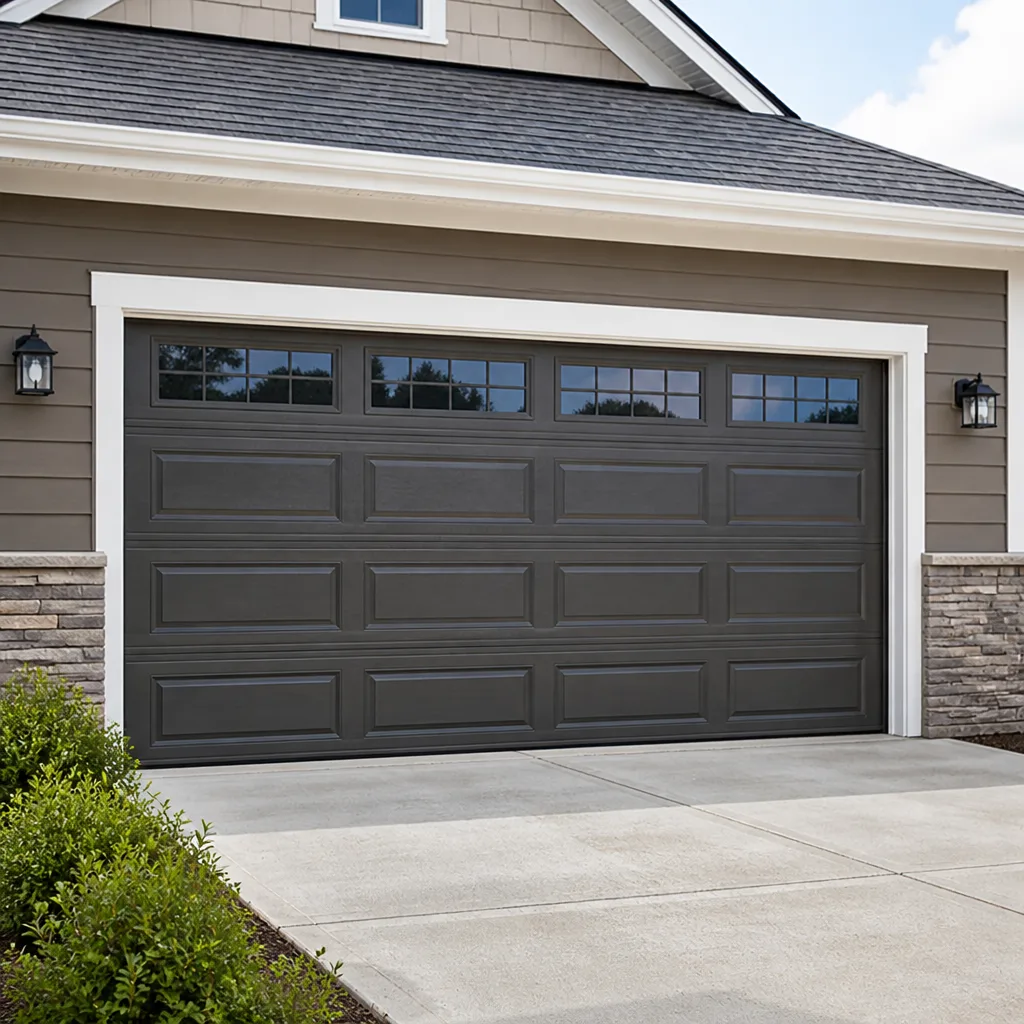 Raised-panel steel
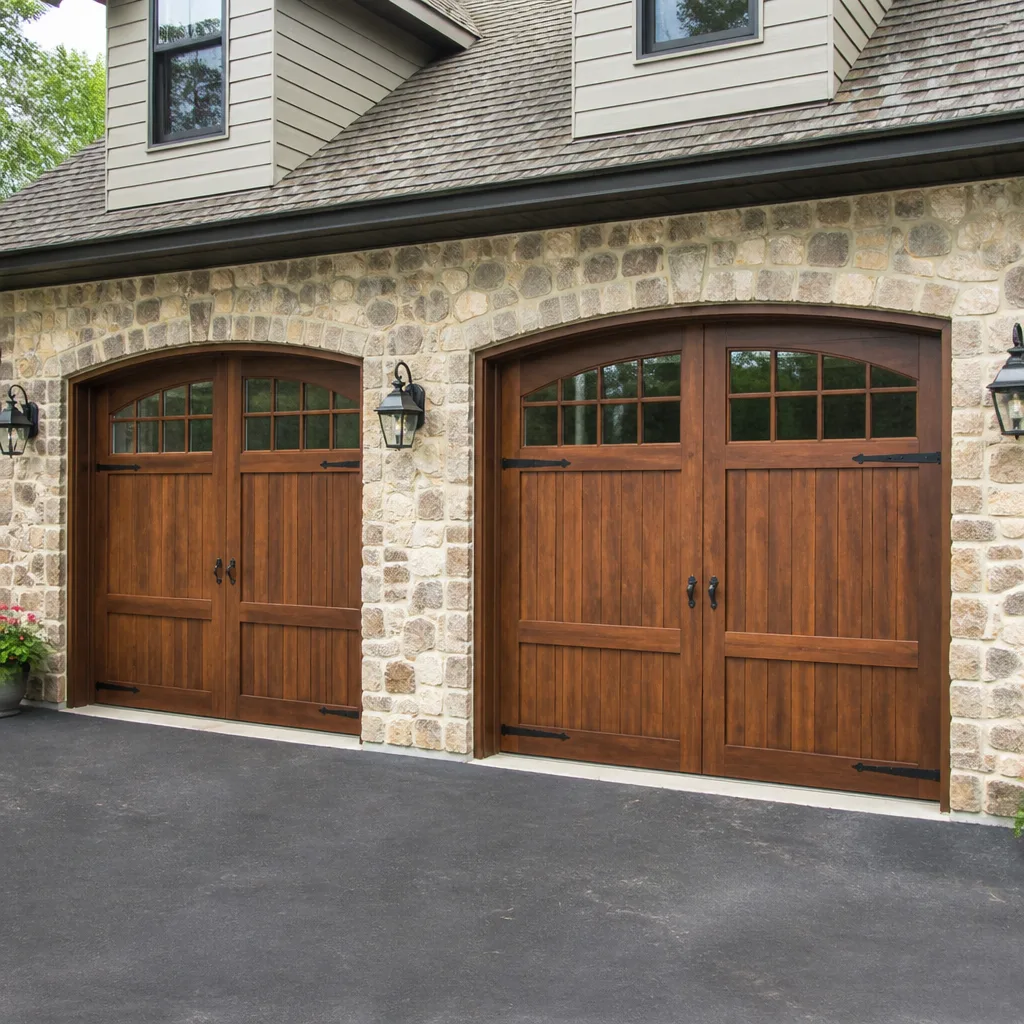 Carriage house
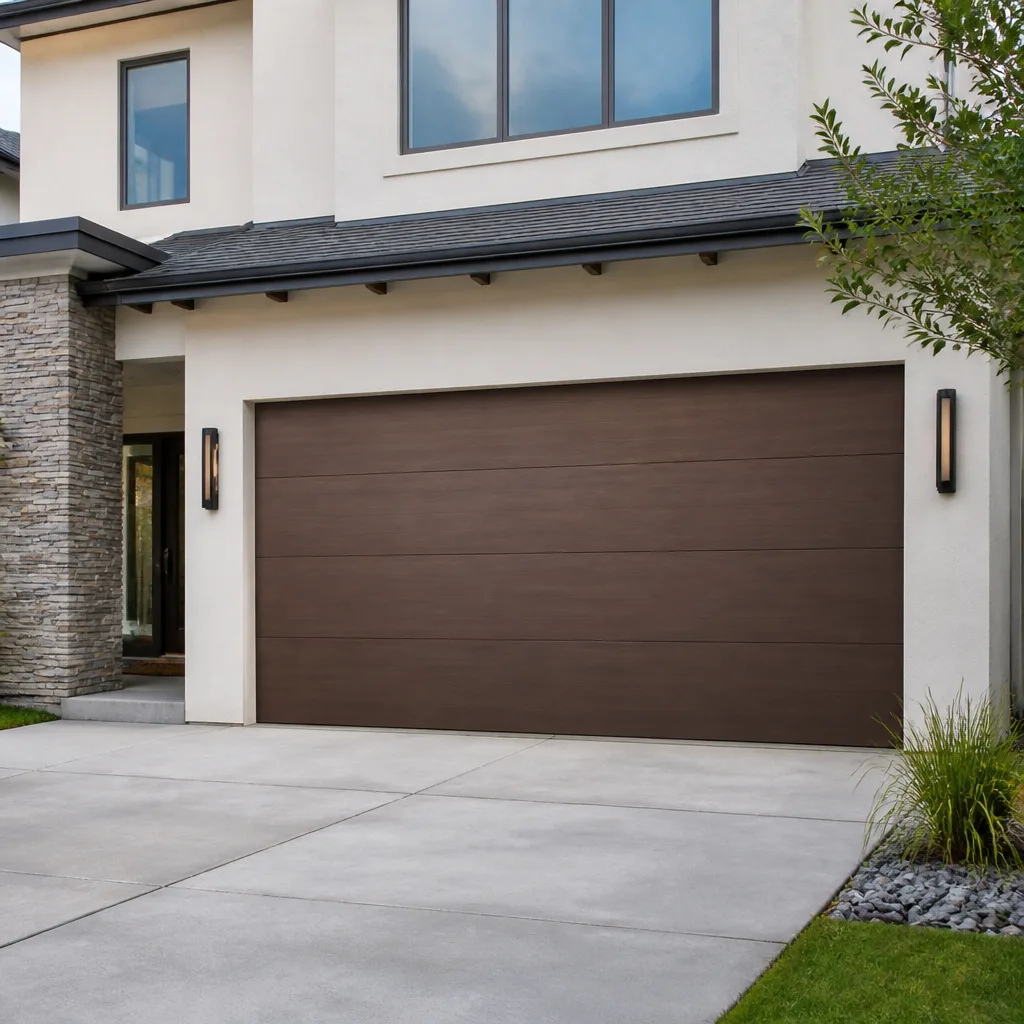 Modern flush
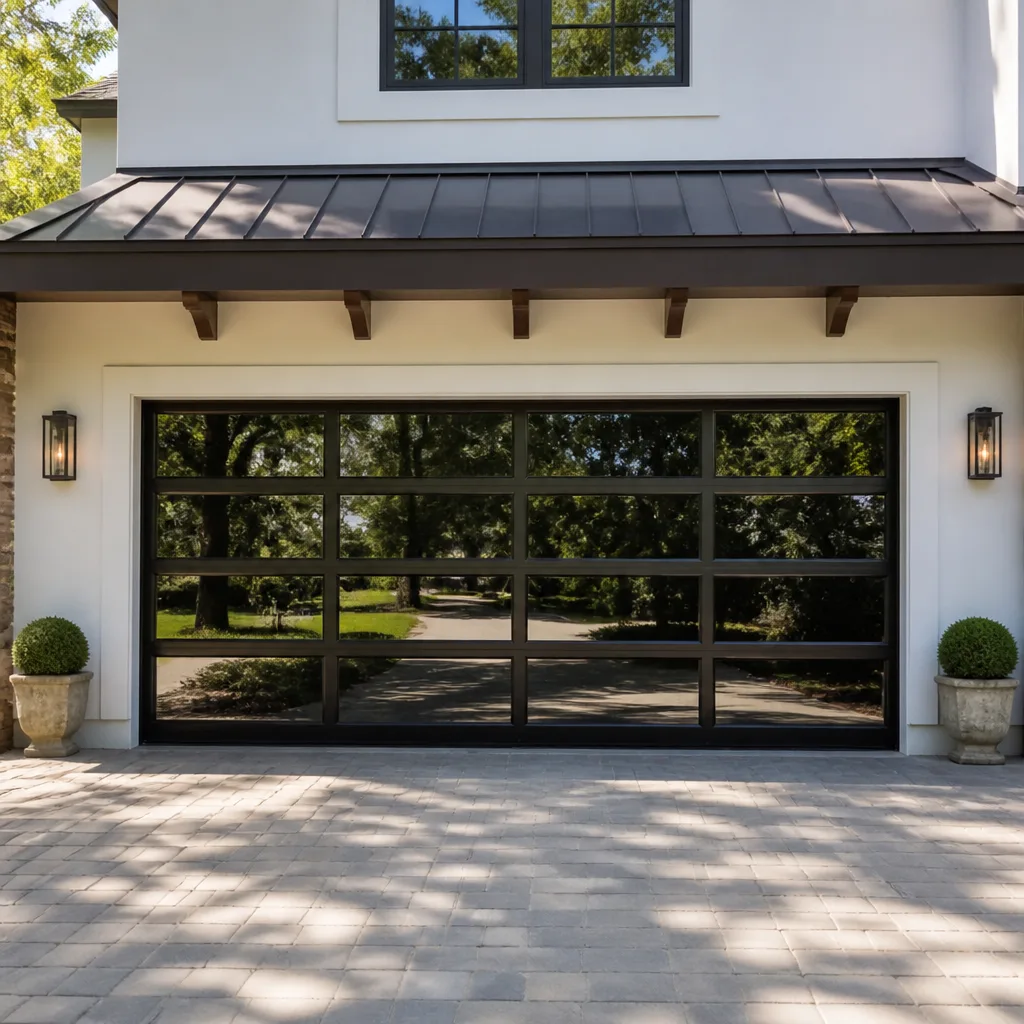 Full-view glass
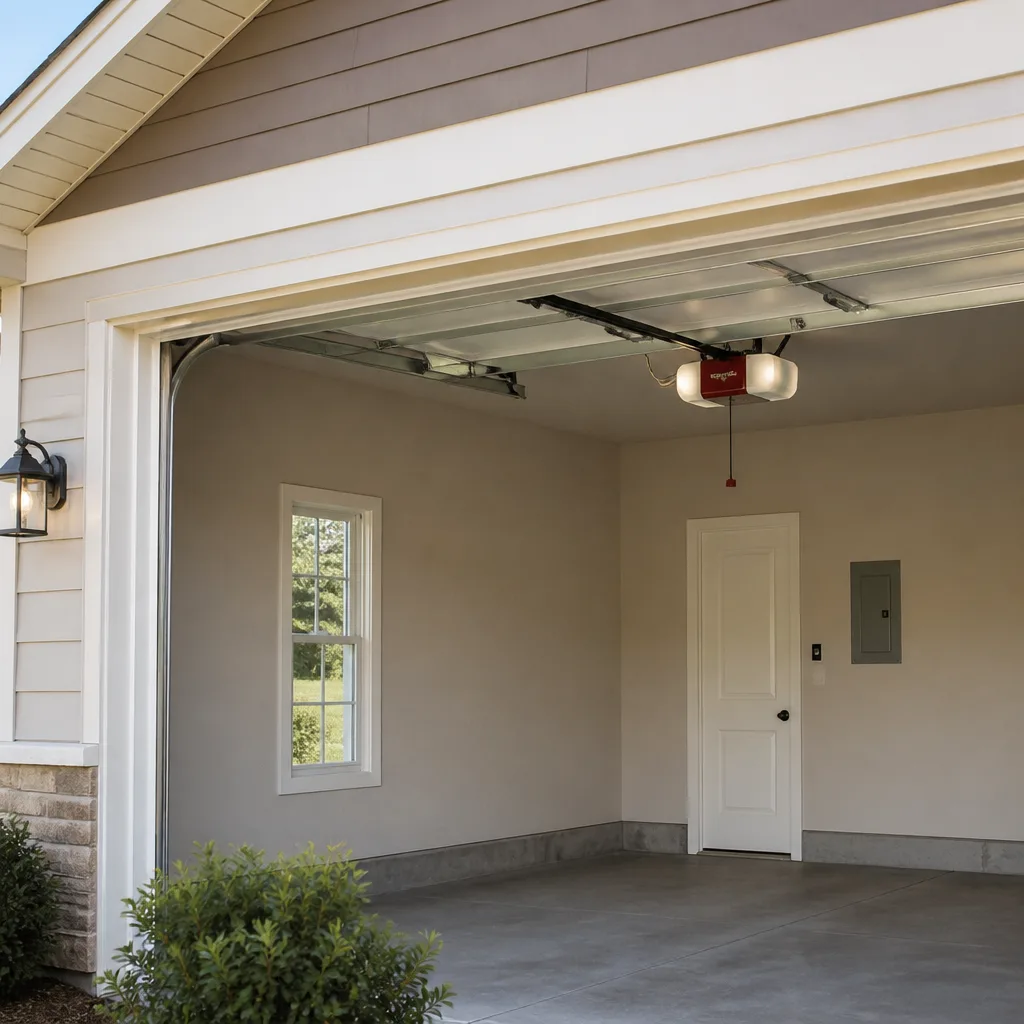 LiftMaster openers
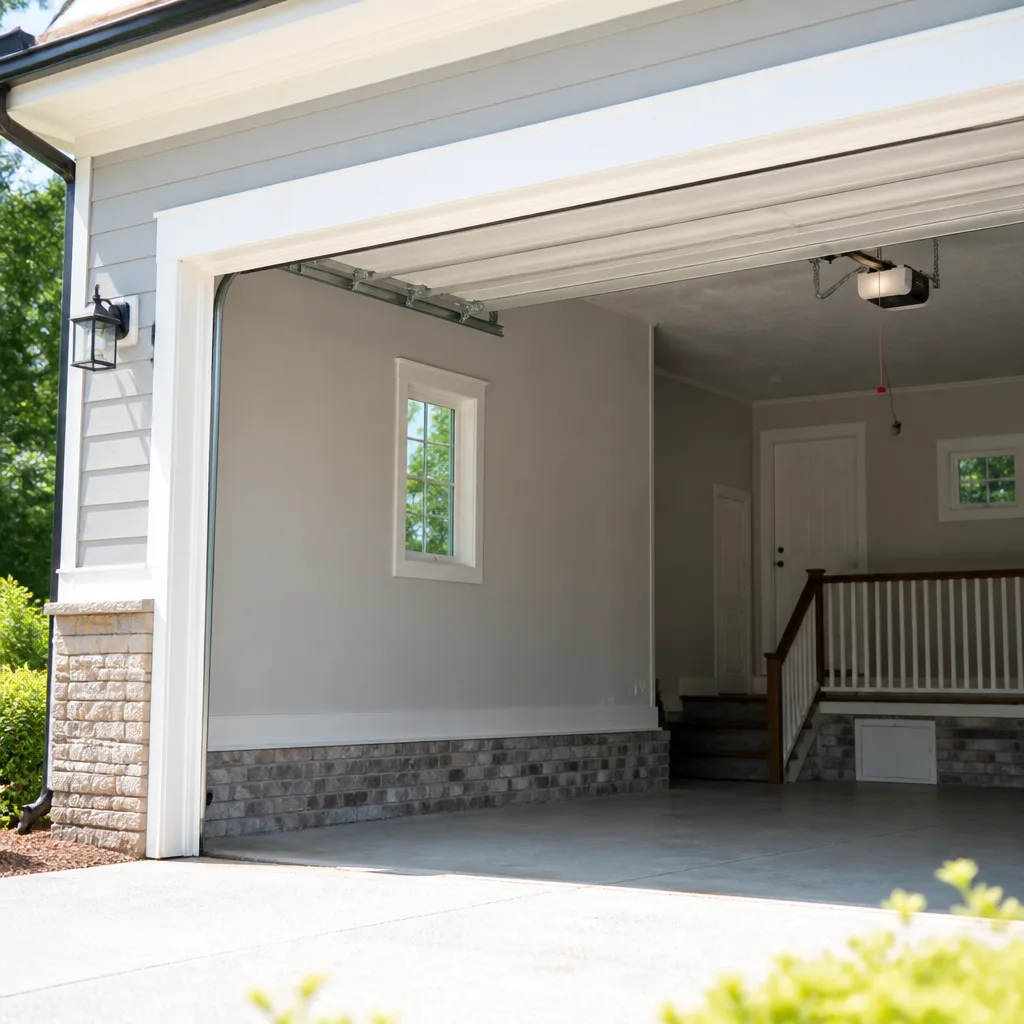 Chamberlain openers
Full 25-point door and opener safety check with every visit - springs, cables, rollers, tracks, and your LiftMaster or Chamberlain opener included
You get a price before we start. It does not change when the pro arrives.
Get your free estimateThe Complete Guide to Garage Doors in Chesapeake
Most garage door advice online is written for a generic suburb in a generic climate. It assumes mild seasons, standard lot sizes and friendly weather, and it says nothing about what actually happens to a door in Hampton Roads. Here’s the counterintuitive part: in Chesapeake, the door you choose and when you service it matter more than the brand name on the box. Humidity, big temperature swings and HOA rules shape everything from spring life to which panel style you’re allowed to hang. This guide walks you through materials, openers, maintenance, permits and service timing, all filtered through what holds up here in Chesapeake.
Quick Answer
A garage door in Chesapeake should be chosen for humidity and heat resistance first, matched to your HOA’s approved styles and colors second, and serviced before small problems (noisy springs, slow openers, worn rollers) turn into emergency repairs. Galvanized steel, aluminum and fiberglass generally outperform standard painted steel in this climate, and annual spring, roller and opener checks are what keep a door running for its full expected life. When a spring snaps, a cable frays or an opener fails, that’s a job for a trained technician, not a weekend project.
Styles & brands we work with
- Raised-panel steel
- Carriage house
- Modern flush
- Full-view glass
- LiftMaster openers
- Chamberlain openers
Table of Contents
- Which garage door materials hold up in Chesapeake?
- How do HOA restrictions shape your door choice?
- Attached garage vs. detached workshop: what changes?
- How do you choose the right garage door opener?
- What does a yearly maintenance routine look like?
- When do you need a permit or a licensed contractor?
- How long should a garage door last in Hampton Roads?
- When should you repair, and when should you replace?
Which garage door materials hold up in Chesapeake?
The short answer: in Chesapeake’s humid, storm-prone summers, galvanized steel, aluminum and fiberglass generally outlast standard painted steel, and the finish and hardware matter as much as the panels. A door that looks fine on a showroom floor can struggle after several seasons of heat, moisture and repeated open-and-close cycles if the metal wasn’t protected properly.
Here’s how the main options compare for a Chesapeake home:
- Galvanized steel: The most common choice, and for good reason. The zinc coating resists rust far better than bare or lightly primed steel. Look for a factory-applied finish and insulated panels if the garage is attached and conditioned.
- Aluminum: Lightweight and naturally rust-resistant. A strong pick for full-view and modern glass-panel designs, though it dents more easily than steel.
- Fiberglass: Won’t rust at all and handles humidity well. It’s a good fit for detached garages and workshops where insulation isn’t a priority.
- Wood: Beautiful and traditional, but it needs regular sealing and repainting in this climate. Without upkeep, moisture works into the grain and panels warp or swell.
Standard painted steel, the cheapest option on most lots, is where we see the earliest finish failures. It’s not that it’s a bad door, it’s that Chesapeake’s summer humidity gives it less margin. If budget pushes you toward standard steel, plan on checking the bottom section and hardware for rust each spring. Whatever material you choose, the brands we work with most often include Clopay and Amarr, both of which offer climate-appropriate finishes and insulated lines.
How do HOA restrictions shape your door choice?
In Chesapeake’s planned communities, your HOA usually has the final say on your door’s style, color and sometimes even the panel pattern, so get written approval before you order anything. Buying first and asking later is the most common and most expensive mistake we hear about locally.
Neighborhoods like Great Bridge and Greenbrier are full of deed-restricted subdivisions where architectural review committees enforce consistency. Those rules exist to protect curb appeal and property values, and they’re usually reasonable, but they’re specific. A few things to expect:
- Request the architectural guidelines from your HOA or property manager before you shop. They’ll list approved colors, materials and styles.
- Submit a spec sheet and photo of the exact door you want, including manufacturer, model and color code. Vague requests get bounced.
- Get approval in writing and keep it. It protects you if a rule interpretation changes later.
- Confirm installation details too, since some associations restrict window placement or hardware style.
We’ve helped Chesapeake homeowners line up the right paperwork with their HOA before a garage door installation, which saves a lot of back-and-forth. The door you love and the door your association approves aren’t always the same, but there’s almost always an overlap if you check first.
Attached garage vs. detached workshop: what changes?
An attached garage shares your home’s conditioned space, so insulation and sealing matter enormously; a detached workshop in Chesapeake’s summer heat has the opposite set of priorities. Choosing the same door for both is a common oversight.
For an attached, conditioned garage:
- Insulated panels keep summer heat out and winter warmth in, which protects the room above or beside the garage.
- Tight perimeter seals and a good bottom weatherstrip stop humid air from creeping in.
- A quieter belt-drive opener makes more sense when the garage sits under or beside living space.
For a detached workshop or storage garage:
- Insulation is often optional; ventilation and rust resistance matter more.
- Fiberglass or aluminum panels handle the heat without trapping moisture.
- A heavier-duty opener rated for frequent cycling is worth it if you’re in and out all day.
Chesapeake summers push detached garages well past comfortable working temperatures, so if you spend real time out there, airflow and a lighter-colored door make a bigger difference than a higher R-value. Match the door to how the space is actually used, not to a generic checklist.
How do you choose the right garage door opener?
The right opener comes down to three things: door weight, how often you use it, and how quiet it needs to be. Brand matters less than a correct match, though the big names (Chamberlain, Genie, LiftMaster) all build reliable units for different needs.
Here’s a simple way to think about it:
- Match the drive type to the door. Belt drives are quiet and good under living space. Chain drives are durable and cost less. Screw drives are low-maintenance and suit lighter doors. Jackshaft openers mount on the wall and free up ceiling space.
- Check the horsepower against door weight. A heavy insulated wood door needs more muscle than a light aluminum one. Undersized openers wear out springs and gears faster.
- Decide on smart features. Wi-Fi control, battery backup and smartphone alerts are genuinely useful if you’re away a lot or want to check the door remotely.
- Plan for safety sensors. Every modern opener needs working safety reversing sensors, and they should be tested monthly.
When an opener starts acting up (reversing randomly, straining, or dragging), it’s often a sign of a worn spring or a tired motor rather than a bad remote. Our garage door opener repair team diagnoses by brand quirks rather than guesswork, which is where knowing the differences between a Genie and a Chamberlain really pays off. And if a door won’t open at all, that’s where emergency response comes in.
What does a yearly maintenance routine look like?
A yearly maintenance routine is the single best way to extend your garage door’s life in Chesapeake, and it takes less time than most people expect. Humidity and repeated hot-cold cycles work on springs, rollers and hinges all year, so a once-a-year check catches wear before it becomes a breakdown.
Here’s a simple seasonal approach:
- Test the safety reverse. Put an object in the door’s path and confirm it reverses. Do this monthly, not just yearly.
- List for noise and vibration. Squeaks and grinding usually mean dry rollers or loose hardware, and they’re easy to fix early.
- Inspect the springs and cables visually. Look for rust, gaps or fraying, but never touch, adjust or disconnect a spring or cable yourself. They’re under extreme tension and can cause serious injury. Leave that work to a trained technician.
- Lubricate moving parts. Rollers, hinges and tracks (the track, not the spring) benefit from a proper garage door lubricant.
- Check the weatherstripping and bottom seal. A worn seal lets humid air and pests in, and it’s cheap to replace.
- Test the balance. Disconnect the opener and lift the door halfway by hand. If it won’t stay put, the springs may be worn and need professional attention.
A quick yearly tune-up usually costs less than an emergency repair and catches the problems that cause most spring and opener failures. Our experienced technicians handle the parts of the check that require the right tools and training.
When do you need a permit or a licensed contractor?
Some garage door work needs a permit and a licensed contractor, and some is straightforward replacement a homeowner can handle; the dividing line usually comes down to structural, electrical or code-related changes. The safest rule is to ask your city’s building department before any work starts, because rules vary and get updated.
Generally speaking, here’s how the scenarios break down:
- Full door replacement in the existing opening: Often treated as a like-for-like swap, but many jurisdictions still want a permit. Confirm with your city first.
- Structural changes: Widening an opening, adding a new opening, or altering the header almost always requires a permit and a licensed professional.
- New opener with electrical work: If new wiring or a new circuit is involved, that’s electrical work and needs a licensed electrician.
- HOA requirements: Separate from permits, but they can block your project if you skip approval.
We recommend homeowners call the Chesapeake building department directly for anything beyond a simple swap, since the requirements are specific and worth confirming in writing. When you’re working with us, we can speak to how the installation itself is typically handled so you know what to expect. If your project is a larger structural change, our garage door installation service is built to handle the full scope correctly the first time.
How long should a garage door last in Hampton Roads?
A well-maintained garage door in Hampton Roads generally lasts 15 to 20 years for the panels and 7 to 10 years for the springs, with finish and hardware often aging faster than the door itself. Those are typical ranges, not promises, and they’re tied closely to how the door was specified and how well it’s been serviced.
What shortens lifespan here:
- Moisture and humidity: Feeds rust on unprotected steel and degrades cheap finishes.
- Heat cycling: Repeated expansion and contraction stress springs and hardware.
- Neglected maintenance: Dry rollers and loose hinges add strain on every cycle.
- Undersized openers: Working a motor too hard wears both the opener and the springs.
What extends it:
- Choosing rust-resistant materials (galvanized steel, aluminum, fiberglass) up front.
- Keeping the finish sealed and touched up where it chips.
- Servicing springs, cables and openers before they fail rather than after.
- Replacing worn rollers and hinges on schedule rather than waiting for noise to get loud.
National averages don’t always apply here, because a door that lasts two decades in a dry inland climate might need more attention in Chesapeake’s humidity. Aim for a well-specified door plus a yearly check, and you’ll get the most out of it.
When should you repair, and when should you replace?
Repair makes sense when the door’s structure is sound and a single component failed, while replacement is the better call when the panels are deteriorating, several parts are failing at once, or you’ve been patching the same problem repeatedly. Getting this call right saves money in the long run.
Lean toward repair when:
- One spring or cable has failed and the door’s otherwise in good shape.
- The opener is struggling but the door itself moves fine.
- Noise, a misaligned track, or a worn roller is the source of the problem.
Lean toward replacement when:
- Panels are rusted through, warped or dented across a large area.
- The door has needed the same repair multiple times in a short span.
- You’re facing both an aged door and a failing opener at the same time.
- You want better insulation or a newer look that fits current HOA rules.
For most single-part failures, a trained technician can restore the door fast, and our garage door repair service covers the full range, from a snapped spring to a stubborn track. For replacements, we help you pick the right door for your space and get the paperwork in order. Either way, the estimate comes before the work, so you’ll know the price up front.
Common Mistakes to Avoid
- Buying a door before checking HOA rules. In Chesapeake’s planned communities like Great Bridge and Greenbrier, approval has to come first, not after the box is delivered. Order the wrong style and you’ll be sitting on a door you can’t legally hang.
- Choosing standard painted steel for a humid climate. It’s tempting because it’s cheapest, but it shows finish wear sooner here than in drier regions. Spending a bit more on galvanized steel, aluminum or fiberglass often pays off across the door’s life.
- Ignoring a noisy door for months. Squeaks and grinding are early warnings of worn rollers or loose hardware. Small fixes stay small only if you handle them early.
- Trying to fix a spring or cable yourself. These are under extreme tension and cause serious injuries. A trained technician with the right tools is the only safe route.
- Skipping the yearly maintenance check. It’s easy to put off until something breaks, but a yearly inspection catches the wear that leads to emergency calls.
- Matching the same door type to a conditioned garage and a detached workshop. They have different climate needs in Chesapeake’s summers. Treat them as separate decisions.
- Assuming a permit isn’t needed. Requirements vary, and asking the city’s building department before you start avoids problems later.
See the difference
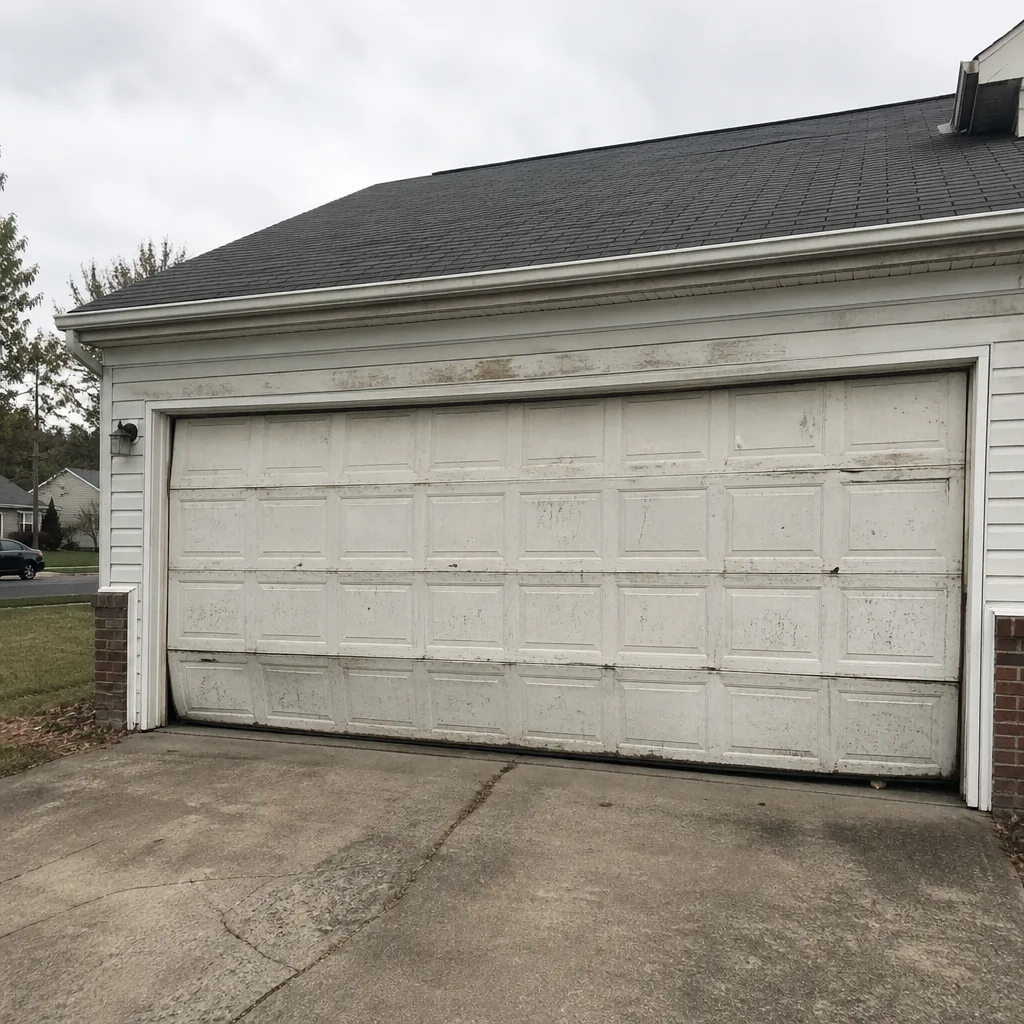 Before
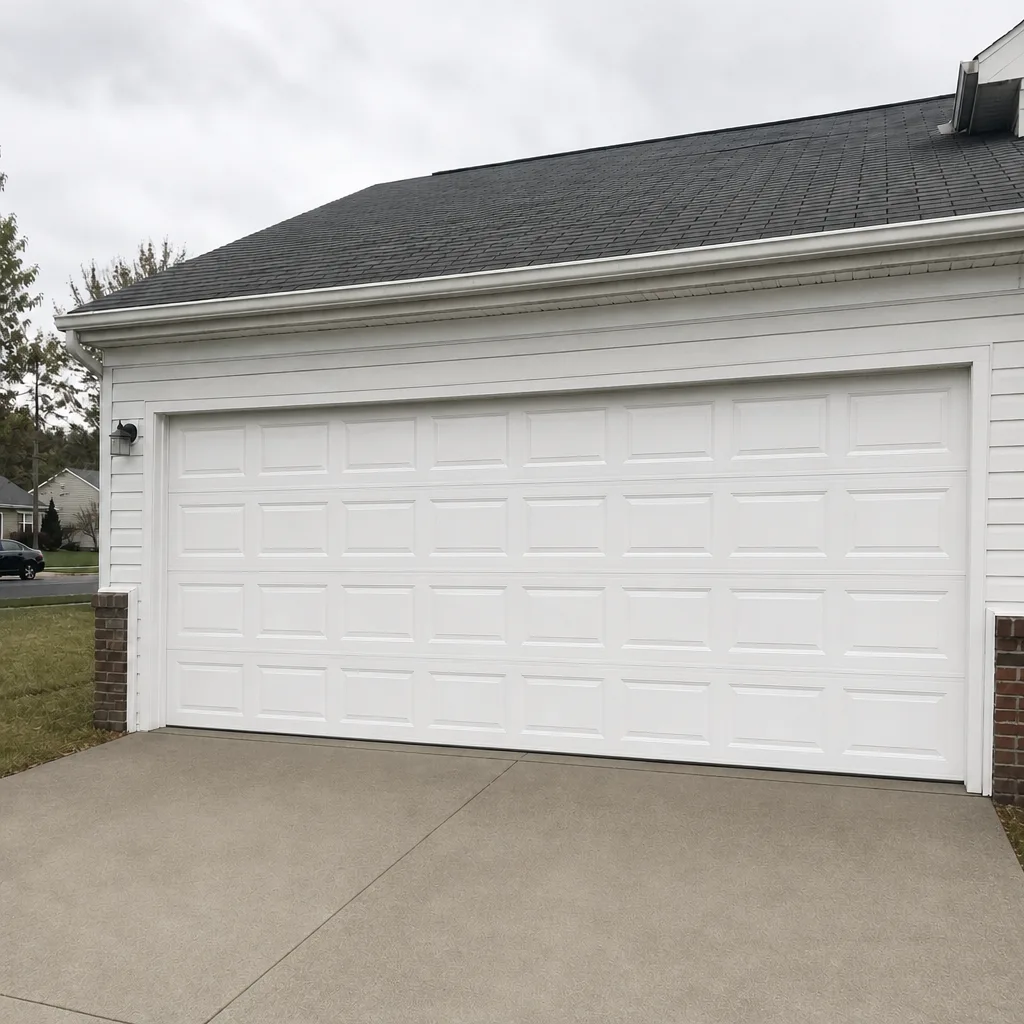 After
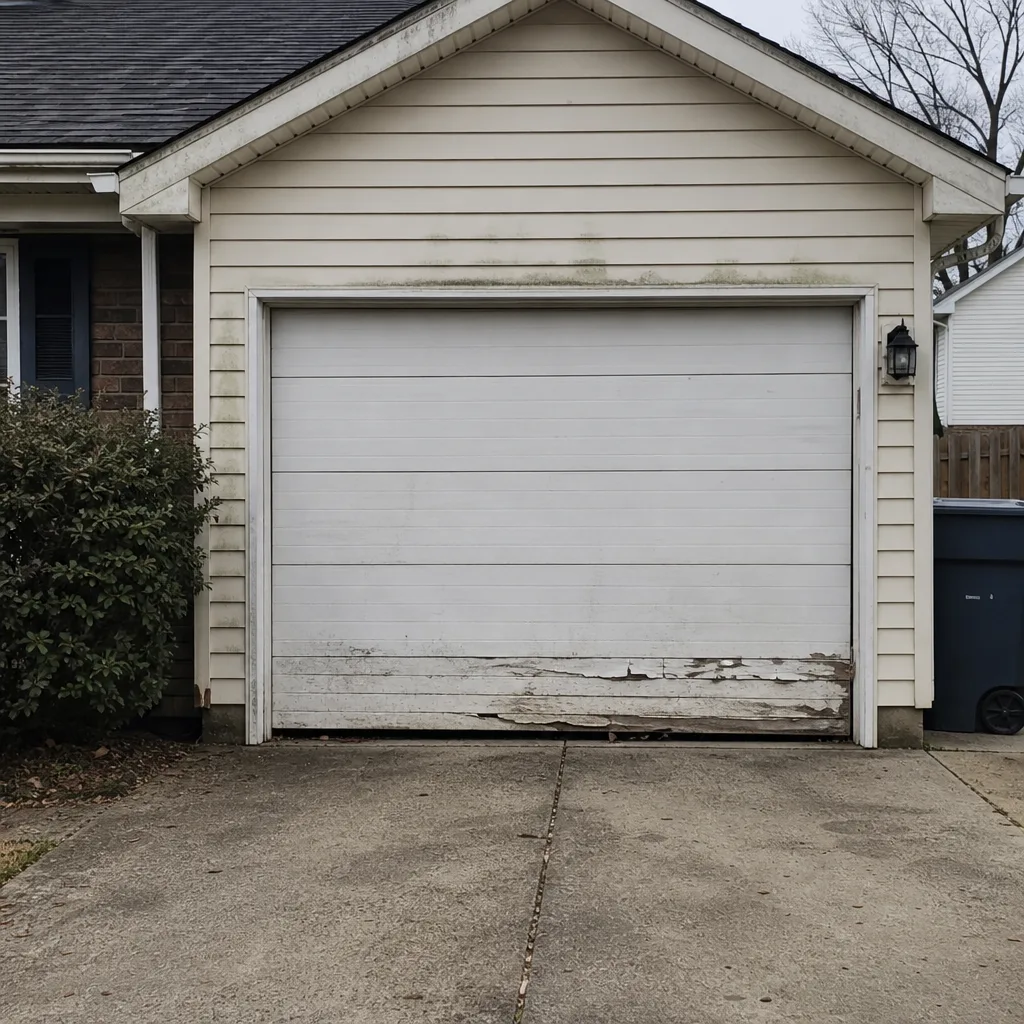 Before
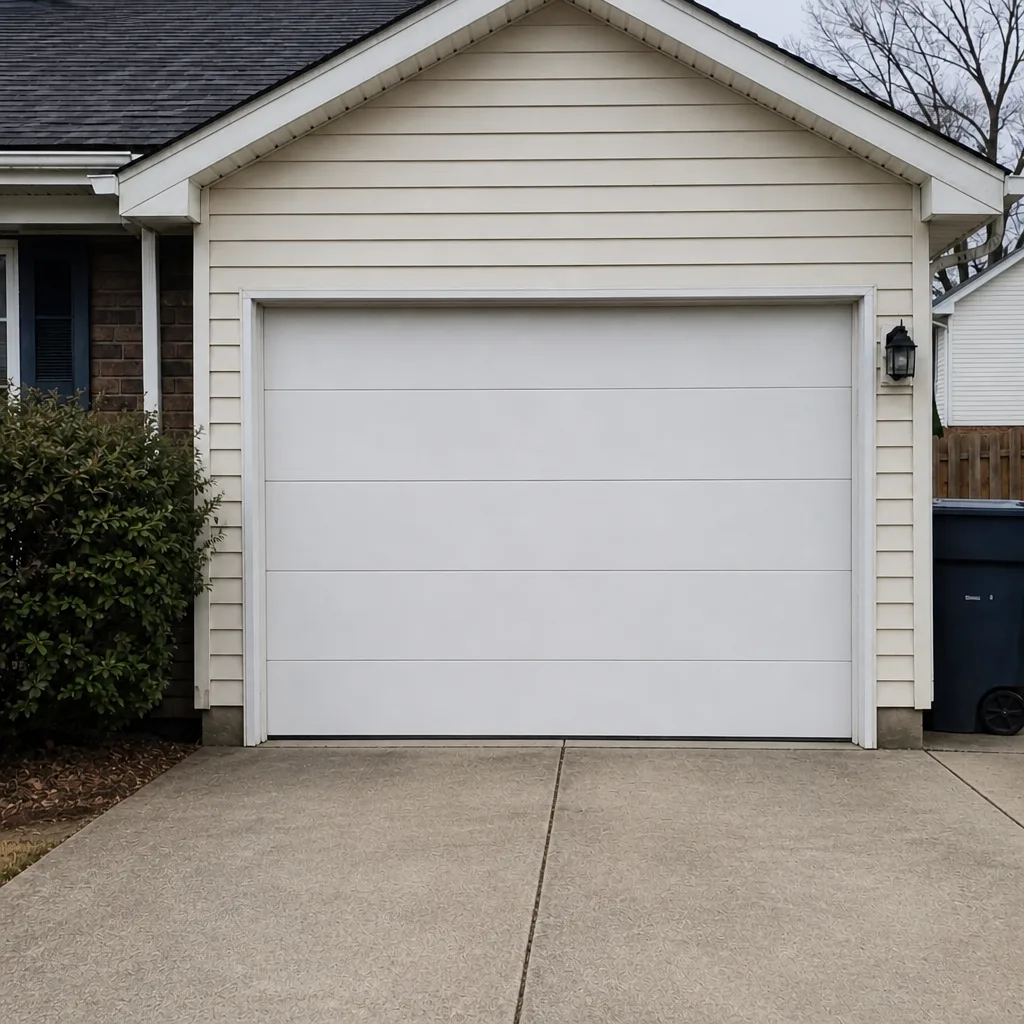 After
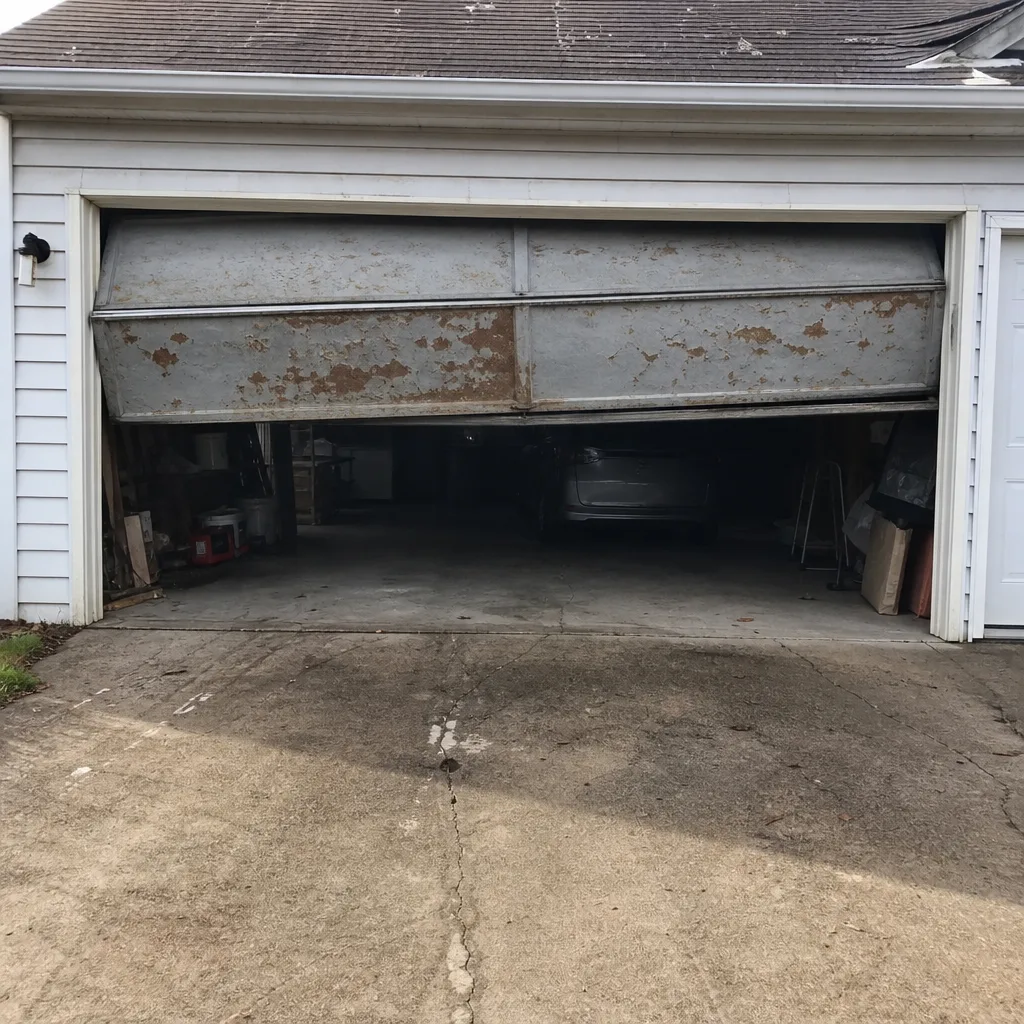 Before
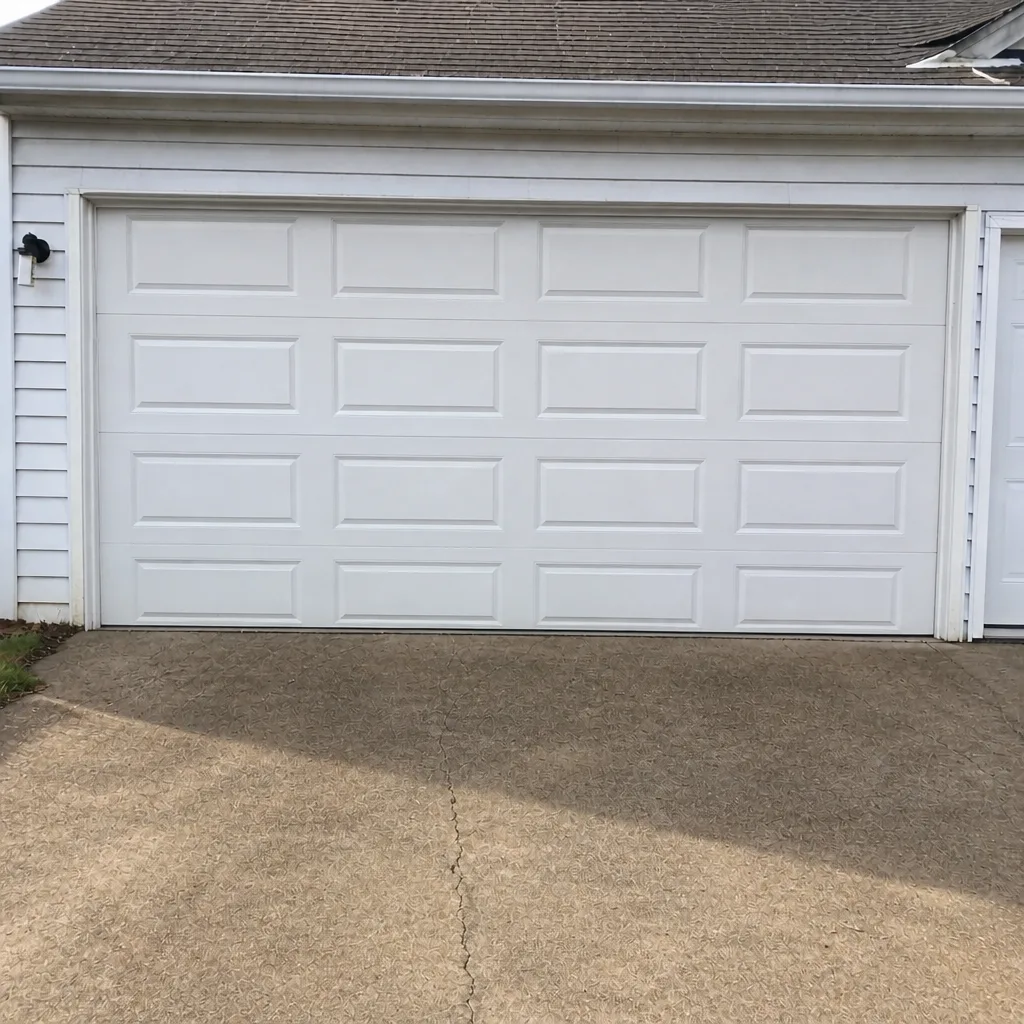 After
When to Call a Professional
Call a professional when a spring snaps, a cable frays, the door comes off its track, or an opener reverses or strains unexpectedly. These are the scenarios where a trained technician’s diagnosis matters most, because the wrong fix can make the problem worse or put someone at risk. If a door has jammed shut and you’re locked out, that’s a case for emergency response rather than a next-day appointment. Routine maintenance, opener upgrades and new installations are also worth professional attention, since a proper fit and finish get caught early. Chesapeake Garage Door Repair Pros offers free estimates in Chesapeake, so you can get a clear answer and a written price before any work begins. Call (866) 834-6826 to set one up.
Frequently Asked Questions
A new garage door in Chesapeake is priced per job, typically quoted as a written estimate after we measure the opening and confirm the door style, materials and opener compatibility. Insulated doors cost more than basic steel, and the final price covers the door, labor and any required approvals. Call (866) 834-6826 for a free estimate, and you’ll get a firm written number before anything is ordered.
Yes. We’re familiar with the major brands, including LiftMaster, Chamberlain, Genie, Clopay, Amarr, Wayne Dalton, Craftsman and Raynor, and our technicians diagnose by brand-specific quirks rather than guessing. That matters most on openers, where the right match to your door and its weight keeps everything running reliably. If we work on your door, we’ll tell you what’s failing and why before we start.
A broken garage door spring needs a trained technician; don’t try to open the door manually, and never attempt to replace the spring yourself. The springs are under extreme tension and can cause serious injury, so a proper repair is the only safe route. Call us and we’ll arrange a service visit and a written estimate before any work begins.
Most planned communities here, including areas around Great Bridge and Greenbrier, do require HOA approval before you replace a garage door. Review your architectural guidelines, submit the manufacturer and color details, and get written approval before you order anything. Doing this first avoids the most common local mistake.
Once a year is the right cadence for most Chesapeake homes, with more frequent checks if your door gets heavy use. A yearly visit tests the safety reverse, checks springs and cables and catches early wear. Small problems caught early are far cheaper than emergency repairs.
Repair is the right call when one part failed but the door’s panels and structure are sound; replacement is worth considering when the door is failing in several places at once or repeatedly. If you’re unsure, an on-site estimate will tell you which makes more sense. There’s no pressure either way, and you’ll get a written price before any decision.
The Bottom Line
Choosing a garage door in Chesapeake isn’t a generic decision. Humidity, summer heat and HOA rules all shape what will actually work and last here, which is why material choice and pre-approval matter so much. Galvanized steel, aluminum and fiberglass generally handle the climate better than standard painted steel, and a yearly maintenance check keeps springs, cables and openers in shape far longer. When something fails, a trained technician is the safest and fastest route. From broken spring to brand-new door, we handle the full arc, so you don’t have to call a second company.
Contact
Have a door that needs attention or a replacement on your mind? Call Chesapeake Garage Door Repair Pros at (866) 834-6826 for a free estimate, and we’ll help you choose the right door for your Chesapeake home. Whether it’s a repair, an opener upgrade or a Chesapeake Garage Door Repair Pros full installation, you’ll get a plain explanation and a written price before any work starts.
Written by the team at Chesapeake Garage Door Repair Pros.