Last updated November 22, 2026
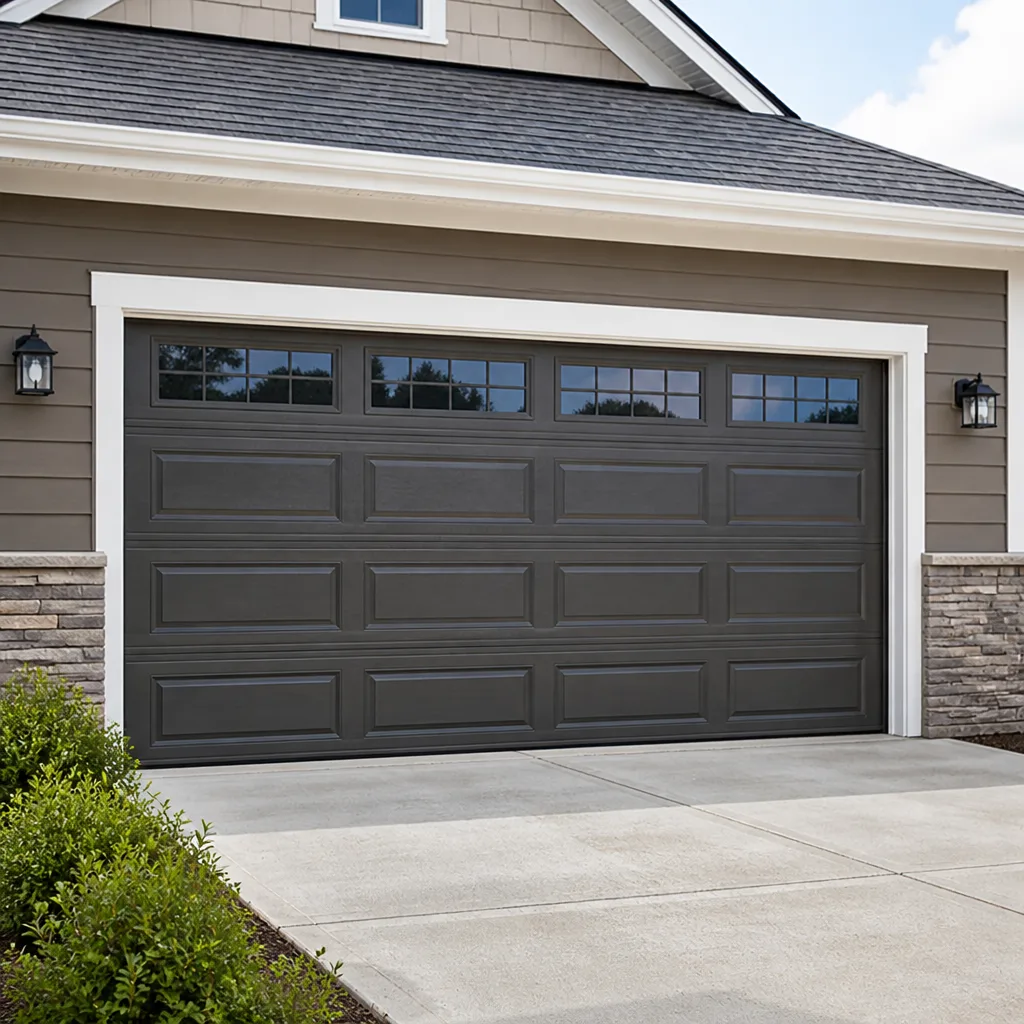 Raised-panel steel
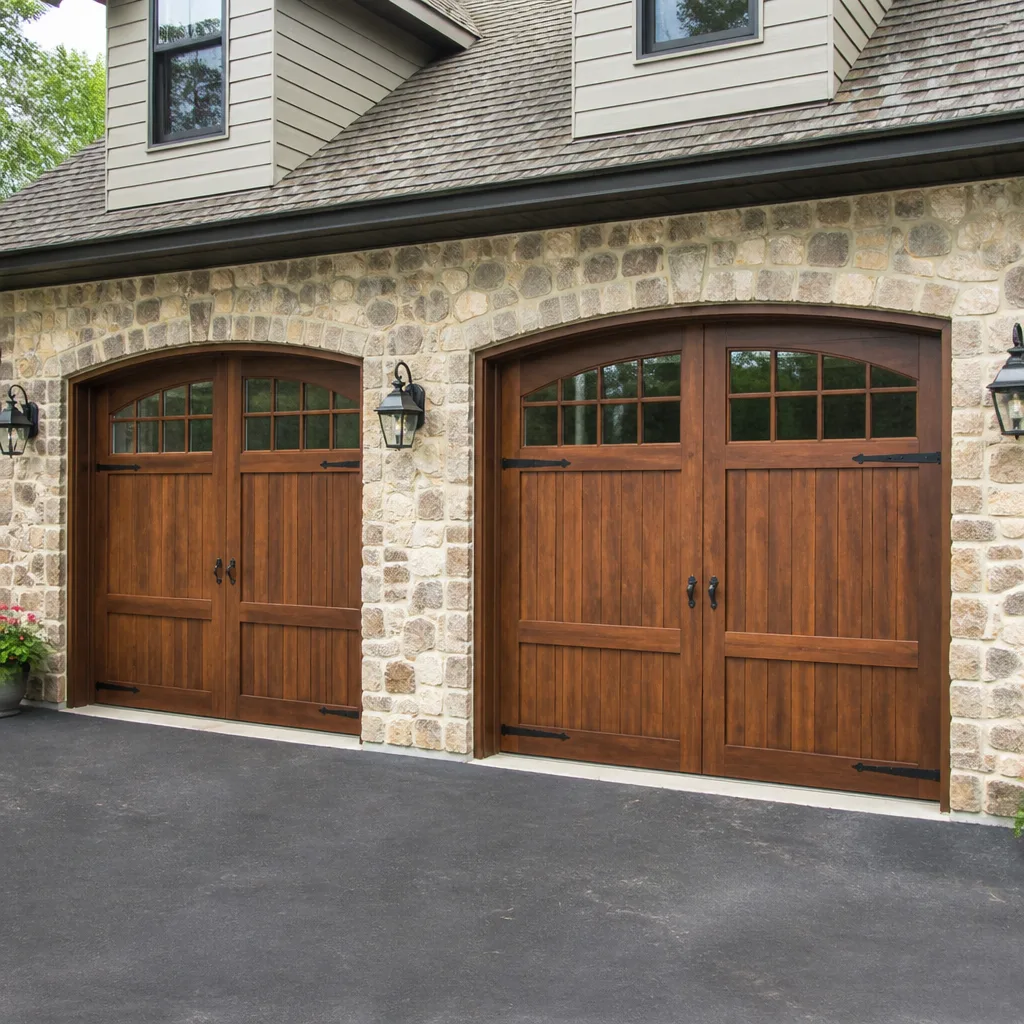 Carriage house
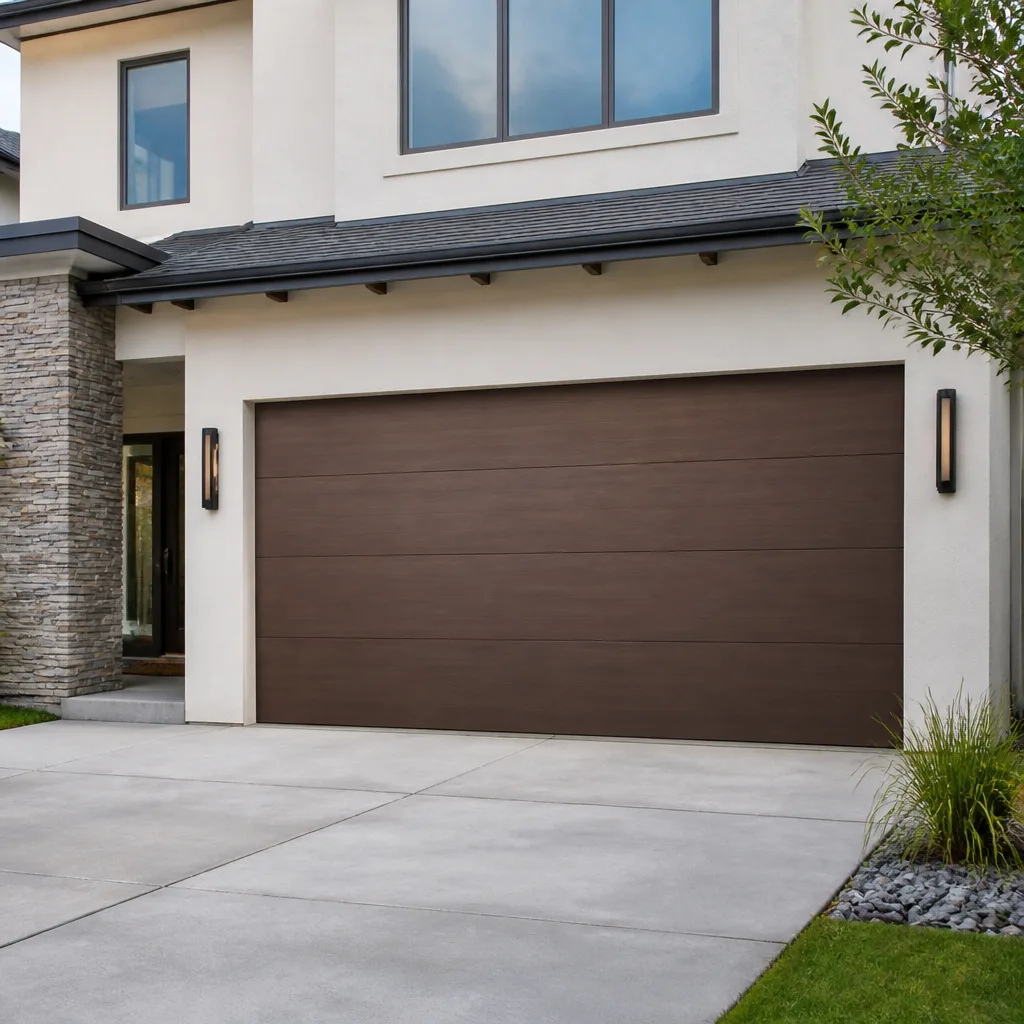 Modern flush
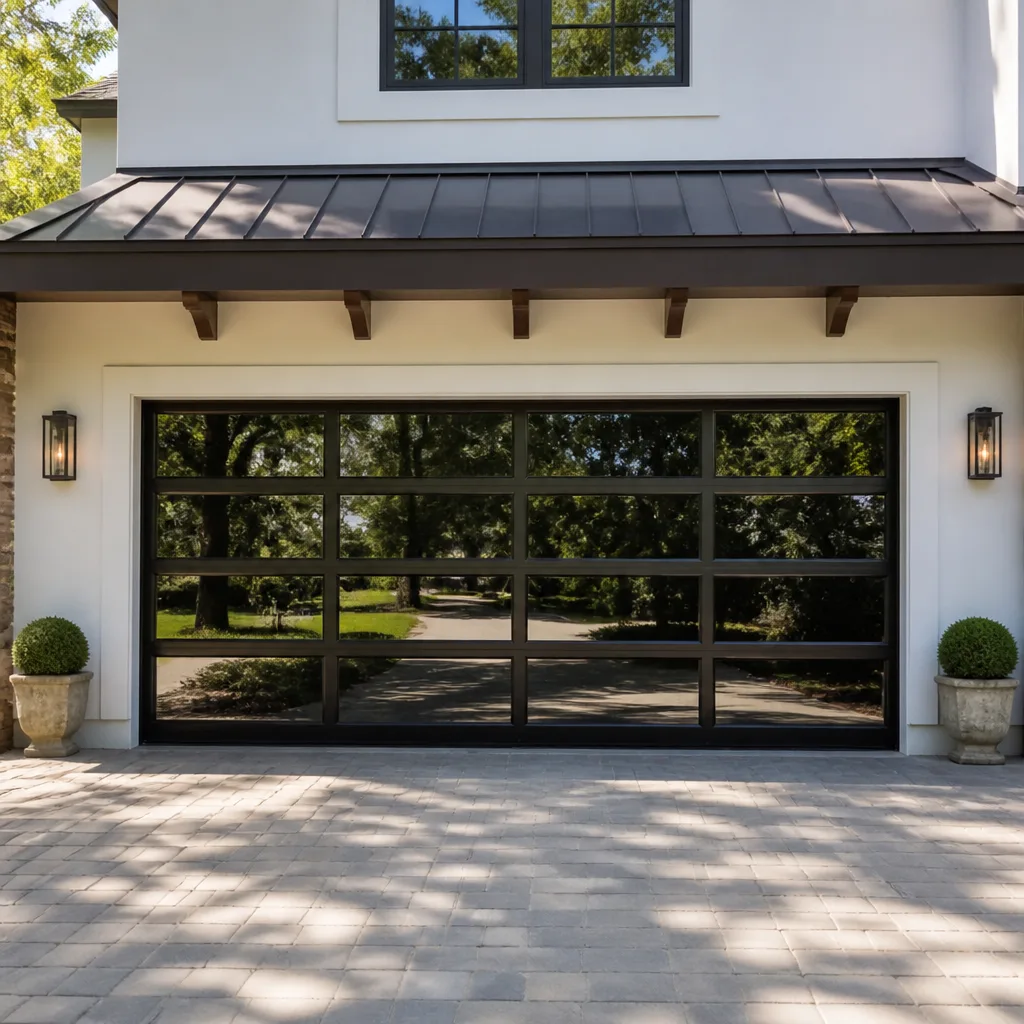 Full-view glass
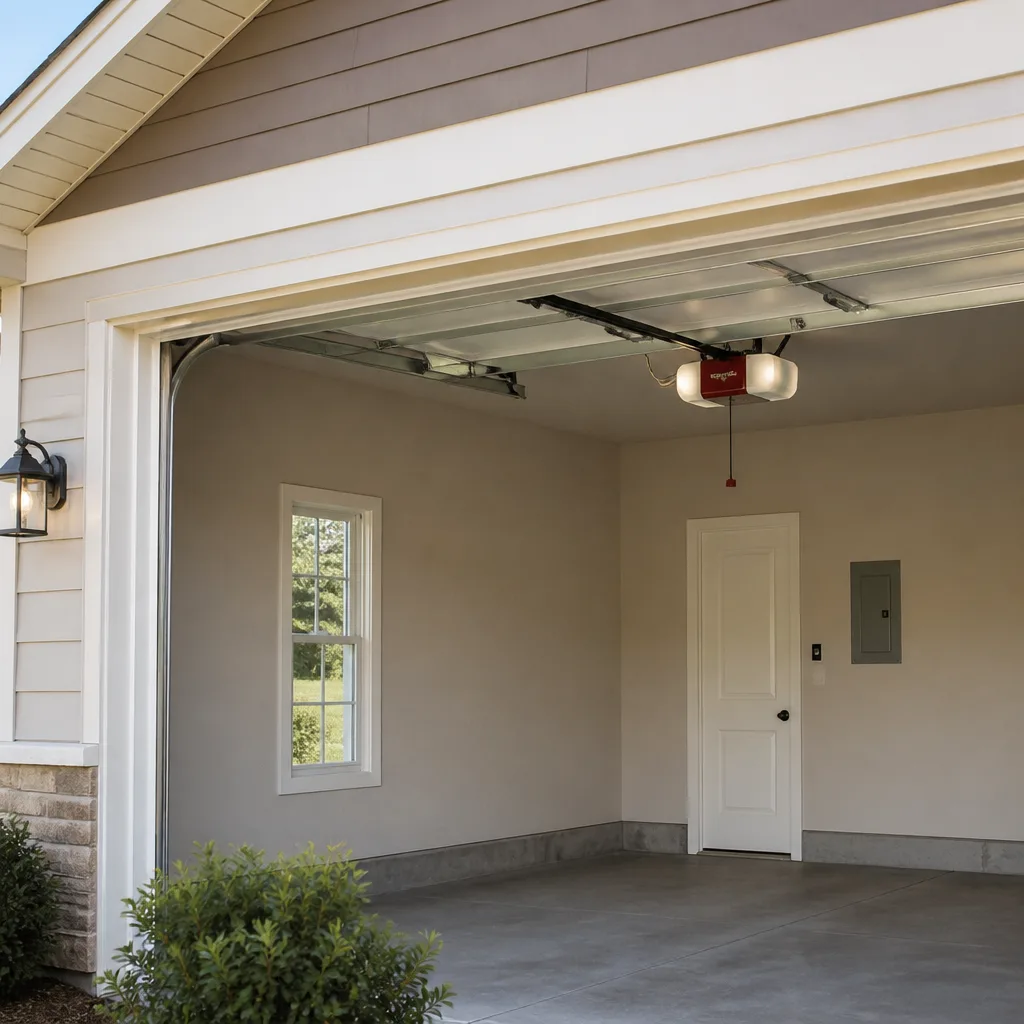 LiftMaster openers
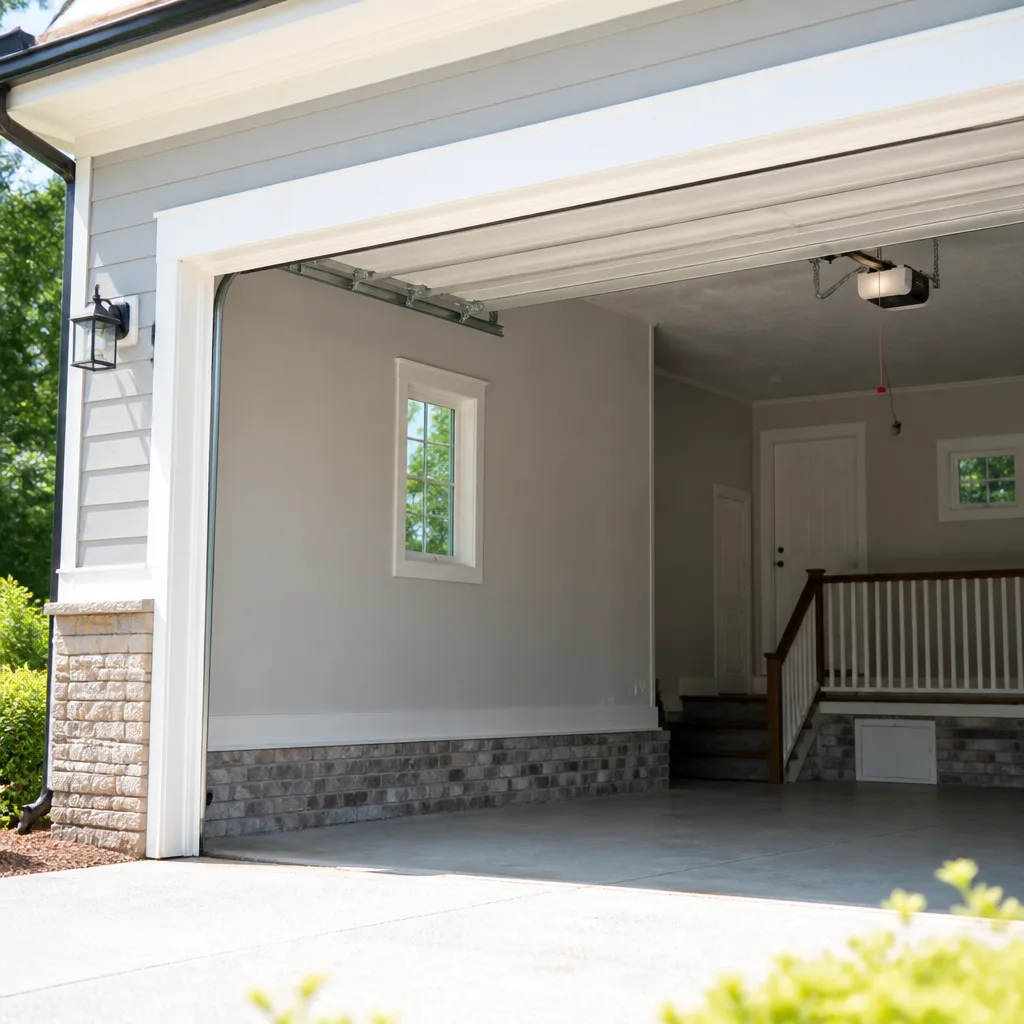 Chamberlain openers
Full 25-point door and opener safety check with every visit - springs, cables, rollers, tracks, and your LiftMaster or Chamberlain opener included
You get a price before we start. It does not change when the pro arrives.
Get your free estimateSeasonal Garage Door Care for Chesapeake: Year-Round Homeowner’s Guide
The call volume on garage doors in Chesapeake doesn’t peak in January. It peaks in late October, on the first genuinely cold morning of the year. A door that opened quietly all summer suddenly groans, hesitates, and stops halfway up. Nothing broke overnight. What happened is that the lubricant in the rollers, hinges, and opener rail was formulated to flow at 85°F, and at 42°F it thickens into something closer to paste. That drag lands on an opener motor and spring system that were already near their limit after a humid Hampton Roads summer. This guide walks through Chesapeake’s real climate calendar – not a generic four-season template – so you know what to check and when. Each section covers one failure window and the work that prevents it.
Quick Answer
Garage door care in Chesapeake should follow the region’s actual stress pattern: prep in spring before humidity season, inspect heavily in fall when temperature swings break down worn parts, and winterize for occasional ice events. Springs, cables, and opener adjustments should be handled by a trained technician – high-tension springs can cause serious injury – while lubrication, seal checks, and visual inspections are safe homeowner tasks. The two highest-risk periods for mechanical failure are the fall transition and the days after a nor’easter or tropical system.
Styles & brands we work with
- Raised-panel steel
- Carriage house
- Modern flush
- Full-view glass
- LiftMaster openers
- Chamberlain openers
Table of Contents
- Why Chesapeake’s Climate Calendar Isn’t the Standard Four Seasons
- Spring Prep: Getting Ahead of Humidity Season
- Spring Tension and Temperature Swing: Why It’s a Professional Job
- Fall: The Highest-Failure Season for Opener Motors and Springs
- Winter Readiness for Chesapeake’s Ice-Surprise Events
- Post-Storm Inspection After Nor’easters and Tropical Systems
- Summer Heat and Humidity: What to Watch
- Your Year-Round Maintenance Schedule
Why Chesapeake’s Climate Calendar Isn’t the Standard Four Seasons
Most garage door maintenance guides are written for a place with four roughly equal seasons. Chesapeake isn’t that place. What we actually get is a long, humid summer that runs from roughly May into September, a short mild autumn, a winter that’s usually gentle but occasionally delivers a hard freeze or an ice event with little warning, and a spring that flips between cool and warm week to week. That shape changes when your door is under the most stress.
The practical result is three distinct risk windows rather than four seasons:
- Humidity season (late spring through summer): the bottom seal, the wood or composite trim around the opening, and the door’s balance are under steady moisture load. Wood floor edges near the threshold can swell and start grabbing the door as it closes.
- The fall transition (October into November): the sharpest failure window of the year. Grease thickens, metal contracts, and parts that were marginal in August finally let go.
- Winter ice events and post-storm days: a frozen bottom seal, a stiff opener, or wind damage that isn’t obvious until the door binds a week later.
Chesapeake’s housing stock matters too. A lot of the city’s neighborhoods – Great Bridge, Greenbrier, Western Branch, Deep Creek, Hickory – have a mix of older doors on original hardware and newer installations. An older Amarr or Wayne Dalton door that’s never had its rollers or hinges serviced tends to show the fall-transition problem first, because the accumulated wear and the cold-morning drag hit at the same time. Newer doors aren’t immune, but they usually have more margin before a cold morning pushes them over the edge.
If you only remember one thing from this guide, remember this: the service call you’re most likely to make is the one in late October, and it’s the one a September inspection most often prevents. For the full range of repairs that come out of these seasonal windows, see our garage door repair work.
Spring Prep: Getting Ahead of Humidity Season
The single most valuable thing you can do before Chesapeake’s humidity season is check the bottom seal and the threshold. That rubber or vinyl strip along the bottom of the door is the first line of defense against moisture, and when it’s cracked, flattened, or pulling loose, humid air and driven rain get under the door. From there, the wood or composite edge of the garage floor takes on water and swells – and a swollen threshold binds the door on every close. That binding then works its way back through the whole system: the opener strains, the springs take uneven load, and the door starts to look “out of adjustment” when the real culprit is a $20 seal.
Here’s the pre-summer checklist we’d walk any Chesapeake homeowner through:
- Inspect the bottom seal. Look for cracks, flattening, gaps at the corners, and any spot where daylight shows under a closed door. Replace it before humidity season if it’s compromised.
- Test the door’s balance by hand. Disconnect the opener (pull the release cord) and lift the door halfway. It should stay put with little effort. If it drops or rises on its own, the springs or cables need attention – and that’s a professional call.
- Lubricate moving parts. Rollers, hinges, and the opener rail take a garage-door-specific lubricant, not household oil or WD-40. Spring coils should get a light coat too, but only on a door that’s fully closed and at rest.
- Check the weatherstripping around the opening. The trim seal on the sides and top of the frame is what keeps wind-driven rain out during summer storms.
- Test the safety reverse. Put a piece of wood or a roll of paper towels under the door and close it. The door should reverse on contact. Also check the photo-eye sensors on both sides of the opening – if they’re misaligned or the lenses are dirty, the door may refuse to close.
- Look at the tracks and rollers. Tracks should be clean and undented. Worn nylon rollers develop flat spots that make the door louder and put more load on the opener – a common issue on older Craftsman and Genie setups.
None of this replaces a professional inspection, but it catches the problems that are safe to handle and flags the ones that aren’t. A seal that’s already swelling the threshold is the one to fix first – before summer humidity turns a small replacement into a floor repair.
Spring Tension and Temperature Swing: Why It’s a Professional Job
Chesapeake’s temperature swings between August highs and January lows change the physics of a torsion spring system, and that’s exactly why spring adjustment is one of the most dangerous jobs in the trade. A torsion spring stores enormous energy – enough to cause serious injury or worse if it’s released unexpectedly – and the tension that’s correct on a mild day is not the same tension the door needs on a cold morning. A door that’s perfectly balanced in summer can feel heavy and sluggish at 35°F.
We adjust spring tension for the temperature swing as a matter of course, and here’s why it has to be done by a trained technician with the right tools:
- The energy is stored, not visible. A wound torsion spring looks inert. It isn’t. Loosening or tightening the set screws on the winding cone without the proper bars and a controlled procedure can let the spring spin free in a fraction of a second.
- Cables are under load too. A cable that’s frayed or a drum that’s miswound can fail at the moment of adjustment. Spring and cable work go together, and both are safety-critical.
- Balance is a system, not a single setting. The springs, cables, drums, and hinges all interact. Adjusting one without checking the others can leave the door running smooth for a week and then binding.
- A snapped spring usually means a snapped spring. When a torsion spring breaks, it breaks loudly and the door becomes unsafe to operate. That’s an emergency call, not a project to schedule for later.
A door that’s noticeably harder to lift by hand than it was last month, or one that slams down instead of lowering smoothly, is telling you the spring system is out of balance. Don’t run the opener against it to “see if it’ll work” – that just wears the motor and gear assembly faster. If you’re seeing those signs, our garage door spring repair service is the right place to start, and it’s worth doing before the first cold morning turns a marginal spring into a broken one.
Fall: The Highest-Failure Season for Opener Motors and Springs
Here’s the counterintuitive part of garage door care in Chesapeake: the highest-failure season isn’t the coldest one. It’s October and November. There are three reasons for that, and they compound each other.
First, lubricant viscosity changes with temperature. The grease and oil in your rollers, hinges, and opener rail are formulated to flow at summer temperatures. When the first cold morning arrives, that lubricant thickens and the door takes more force to move. Every moving part in the system sees a jump in load overnight.
Second, summer did its damage quietly. Humidity season stresses the bottom seal and threshold. A door that’s been binding slightly for three months has been putting extra strain on the opener motor and springs the whole time. Those parts were already wearing when the cold morning arrived. The fall transition doesn’t cause the failure so much as it reveals one that’s been building since July.
Third, metal contracts. Tracks, hinges, and spring coils all shrink slightly as temperatures drop. A track that was tight in August can pin a roller; a spring that was wound to summer tension is now under-tensioned for the door’s weight. The door goes out of balance, and the opener picks up the difference.
What we see most often in Chesapeake during this window:
- Opener motors that strain, hum, or stop partway up on cold mornings – the classic late-October call.
- Torsion springs that snap after months of running slightly out of balance.
- Rollers that develop flat spots and make the door loud and jerky.
- Safety-reverse systems that fail when the door’s travel time changes in the cold.
A September inspection catches most of this before it becomes a repair. When an opener is the part that’s failing, our garage door opener repair work covers the major brands – LiftMaster, Chamberlain, Genie, and the rest – and we diagnose by the quirks of each system rather than by guesswork. That matters in fall, because an opener that’s failing on a cold morning isn’t always the opener’s fault. Sometimes it’s a door that’s out of balance and dragging the motor down with it, and the fix is a spring adjustment, not a new opener.
Winter Readiness for Chesapeake’s Ice-Surprise Events
Chesapeake’s winters are usually mild, which is exactly why the occasional hard freeze or ice event catches doors off guard. A door that’s fine at 40°F can have a bottom seal frozen to the concrete at 25°F, and the first time the opener tries to lift it, that seal can tear away from the door or pull the threshold loose. The freeze doesn’t usually announce itself, so a little winter prep goes a long way.
Start with lubricant selection. A general-purpose oil that’s thin and effective in summer becomes a drag in freezing temperatures. A garage-door-specific lubricant rated for cold weather keeps the rollers, hinges, and opener rail moving when the temperature drops. The same applies to the rollers themselves – worn nylon rollers get stiff in the cold, and metal rollers can develop flat spots that make the door chatter on the way up.
Then deal with the ice risk at the threshold:
- Keep the bottom seal and threshold clear of standing water. Before a forecast freeze, sweep or blow out any water that’s pooled at the door opening so it doesn’t freeze the seal to the floor.
- Check the seal for cracks before winter. A seal that’s already cracked will tear when it freezes. Replace it in fall rather than waiting for the spring thaw.
- Don’t force a frozen door. If the door won’t lift because the seal is frozen, running the opener against it can strip the gear assembly or break a spring. Break the seal free by hand from outside first, or call a technician.
- Test the safety reverse in cold weather too. A door that reverses too late in summer may not reverse at all when the mechanism stiffens. Test it again after the first cold snap.
- Watch for ice on the tracks. Melting snow that refreezes in the track can stop a roller cold. Clear it and inspect the track for bends afterward.
For a Wayne Dalton or Raynor door that’s a few years old, the bottom seal is usually the first thing to check going into winter. The seal is a wear item, and a frozen one that tears is a bigger fix than a replacement done in fall. If your door is showing its age and the winter repairs are stacking up, a garage door installation may make more sense than continued repairs – but that’s a conversation to have after the freezing risk has passed.
Post-Storm Inspection After Nor’easters and Tropical Systems
After a nor’easter or a tropical system moves through Hampton Roads, the door that looks fine from the driveway may not be. High winds put loads on the door panel, hinges, and tracks that ordinary operation doesn’t, and the damage is often subtle: a slightly bent track, a hinge that’s pulled loose, a panel that’s been stressed at the seams. A door that worked before the storm can start binding a week later when the bent track finally grabs a roller.
After any significant wind event, run through this inspection before you assume the door is fine:
- Look at the door from outside, fully closed. Check for dents, dings, or panels that have been pushed in. A panel that’s bent at the edge is a candidate for replacement, not just adjustment.
- Inspect the tracks on both sides. Run your hand along the inside of the track (door closed) and feel for dents, kinks, or spots where the track has been pushed out of line. A bent track is the most common storm damage we see.
- Check the hinges and brackets. Look for pulled screws, loose brackets, or hinges that are bent. A single loose hinge puts extra load on the others.
- Look at the weather seal and bottom seal. Wind-driven rain can tear seals or lodge debris in them. Clear any debris from the tracks.
- Operate the door manually first. Disconnect the opener and lift the door by hand. If it binds, grinds, or refuses to balance, don’t force it – call a technician. Running the opener against storm damage can cause a secondary failure.
- Test the safety reverse and photo eyes. Storm-blown debris or a bumped sensor can misalign the photo eyes. Confirm the door reverses on contact before you trust it to close on its own.
Don’t skip the inspection because the door still opens. A bent track or a stressed hinge often doesn’t announce itself until it fails – usually at the worst moment, like when you’re trying to get out on a work morning. For a door that’s visibly damaged and won’t operate safely, our Chesapeake Garage Door Repair Pros team handles emergency garage door service for situations that can’t wait for a next-day appointment.
Summer Heat and Humidity: What to Watch Between Spring and Fall
Summer is the quiet season for garage door failures, which is precisely why it’s a good time to get ahead of the fall transition. Heat and humidity don’t usually break things outright, but they do accelerate wear in three areas.
The bottom seal and threshold. This is the spot we already covered under spring prep, and it’s worth repeating: humidity makes a swollen threshold more likely all summer long, and a swollen threshold binds the door on every close. If you notice the door dragging at the bottom or the opener working harder in July than it did in May, the seal and threshold are the first things to check.
Lubrication. Summer is when lubricant migrates, dries, or gets contaminated with dust and pollen. Rollers and hinges that were smooth in spring can be dry by August. A light re-lubrication mid-summer keeps the system moving and reduces the load the opener sees.
The opener motor in an unconditioned garage. A garage in Chesapeake can hit 100°F or more inside during a summer heat wave. Heat stress accelerates wear on opener motors and their gear assemblies. If the door is running louder or slower in peak summer, it’s worth a look now rather than waiting for the cold morning that turns a marginal opener into a failed one.
Summer is also the best window of the year to think about a new door if the old one is giving you trouble. That work is measured, quoted, and scheduled – not a same-day job – so getting it on the calendar in summer means it’s done before the fall failure season. For a door that’s reached the end of its repair life, our garage door installation service covers the full range, from a straightforward replacement to a complete new-door project.
Your Year-Round Maintenance Schedule
Here’s the maintenance calendar we’d hand a Chesapeake homeowner, built around the region’s actual stress pattern rather than a generic four-season template. It mixes safe homeowner tasks with the items that belong in a professional inspection:
- March (spring prep): Inspect the bottom seal and threshold. Replace a compromised seal before humidity season. Test the door balance by hand, lubricate rollers and hinges, and test the safety reverse and photo eyes.
- May (humidity season begins): Check the weatherstripping around the frame. Clear the tracks and look for early signs of threshold swelling. Re-lubricate if the door sounds dry.
- July (mid-summer check): Re-lubricate moving parts. Listen to the opener for new strain or noise. If the door is dragging at the bottom, recheck the seal.
- September (fall prep, the key inspection): Schedule a professional inspection before the cold arrives. Have the spring system and opener checked. A technician can catch a marginal spring or a worn opener gear before the first cold morning turns it into a repair.
- October-November (fall transition): Expect the highest failure risk of the year. If the door groans, hesitates, or slows, don’t run the opener against it – get it looked at. This is when most emergency calls come in.
- December-February (winter): Keep the bottom seal and threshold clear before forecast freezes. Don’t force a frozen door. Test the safety reverse after the first cold snap.
- Any time (post-storm): After a nor’easter or tropical system, inspect the tracks, hinges, and seals before trusting the door to operate normally.
Homeowners can handle the inspection, lubrication, and seal checks. The spring system, cables, and any opener adjustment belong to a trained technician. Our technicians have up to 13 years of experience, and we work on the major brands – LiftMaster, Chamberlain, Genie, Clopay, Amarr, Wayne Dalton, Craftsman, and Raynor – so a seasonal inspection covers the specific quirks of your door’s system, not a generic checklist.
Common Mistakes to Avoid
- Running the opener against a door that’s out of balance. If the door is heavy or dragging, the opener is the wrong thing to lean on harder. It wears the motor and gear assembly faster and can turn a spring adjustment into a full replacement.
- Using household oil or WD-40 on the moving parts. Both attract dust and don’t hold up in Chesapeake’s temperature swings. Use a garage-door-specific lubricant rated for cold weather.
- Ignoring a cracked bottom seal because the door still closes. A compromised seal lets humid air under the door, swells the threshold, and starts a binding problem that looks like an adjustment issue. Fix the seal first.
- Forcing a frozen door. When the bottom seal is frozen to the concrete, running the opener can strip the gear assembly or break a spring. Break the seal free by hand first, or call a technician.
- Assuming the door is fine after a windstorm because it still opens. Bent tracks, loose hinges, and stressed panels often don’t fail until a week later. Do the post-storm inspection before you trust the door.
- Adjusting spring tension by hand or with the wrong tools. Torsion springs store enough energy to cause serious injury. This is a professional job – not a project for a homeowner with a wrench set.
- Skipping the September inspection because the door was fine all summer. Fall is the highest-failure season in Chesapeake, and the door that coasted through August is exactly the one that fails on the first cold morning.
See the difference
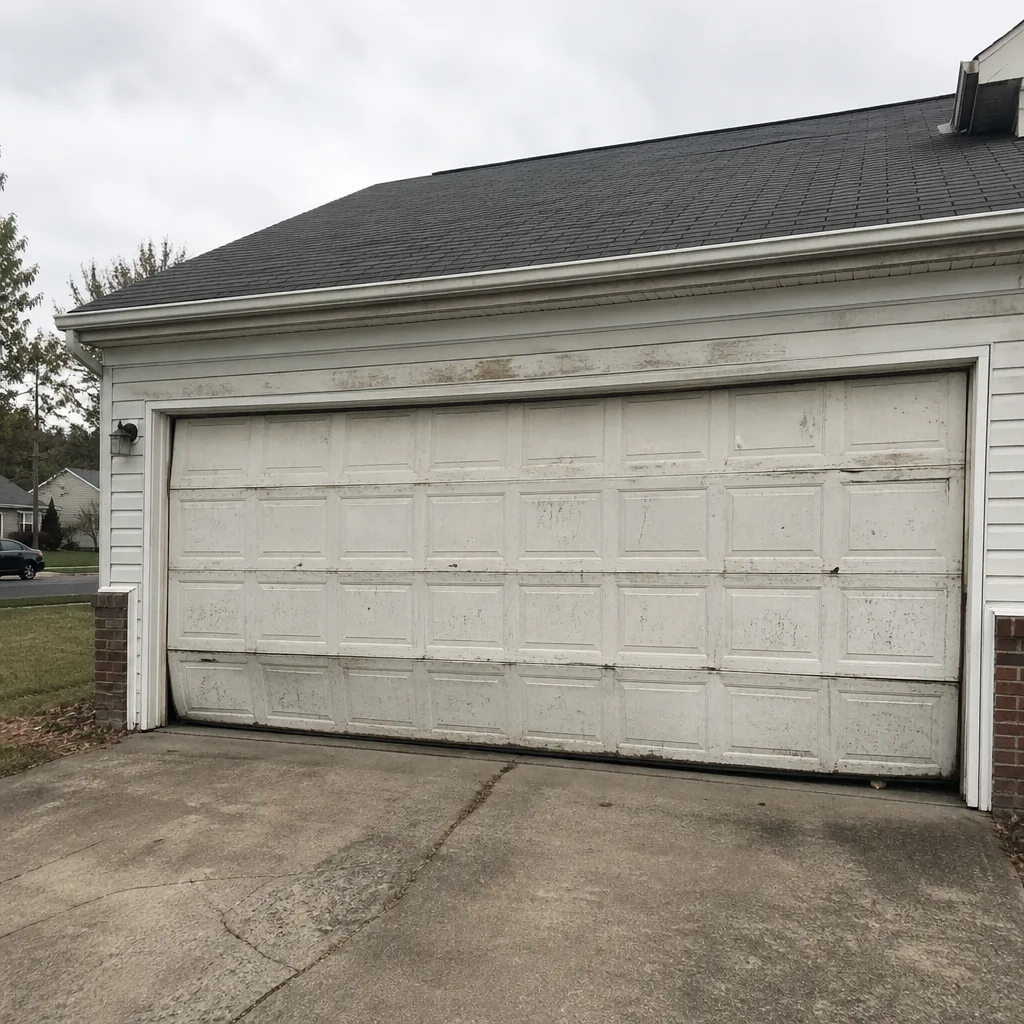 Before
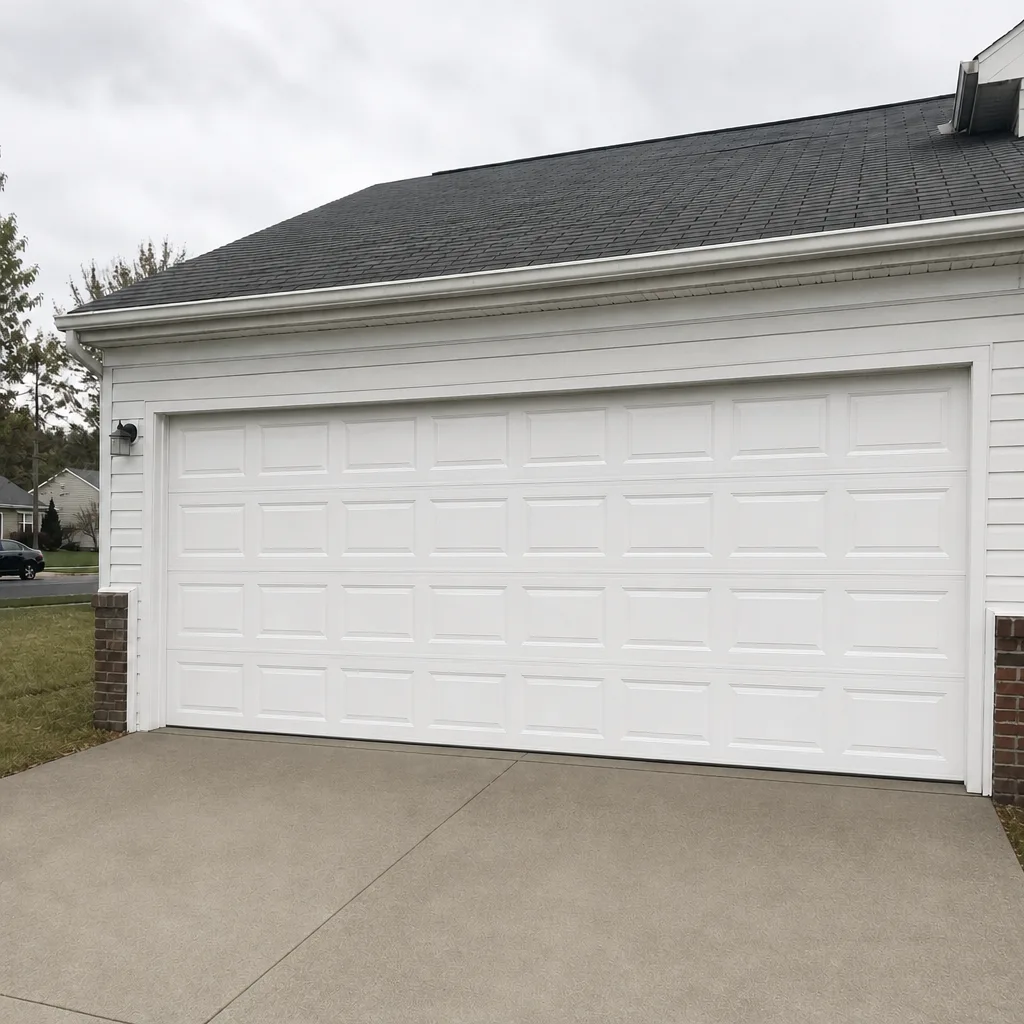 After
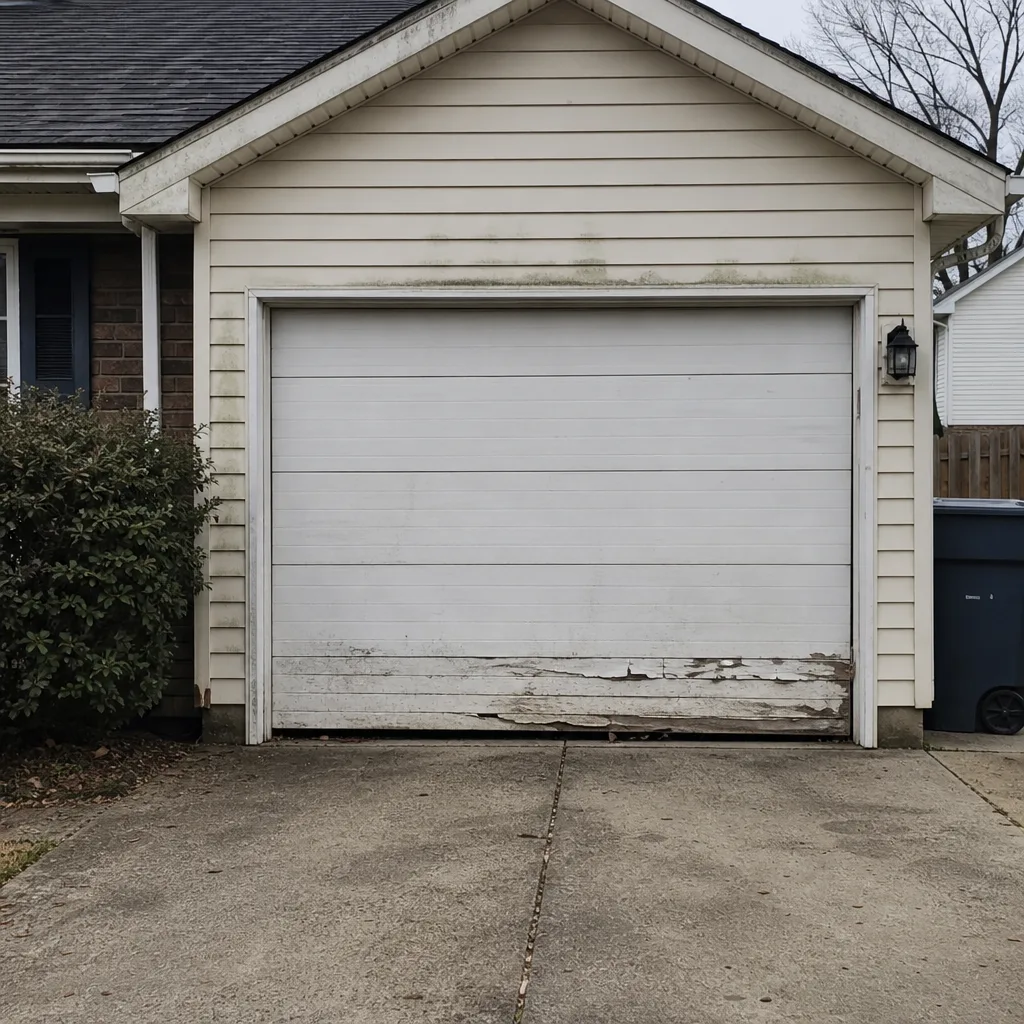 Before
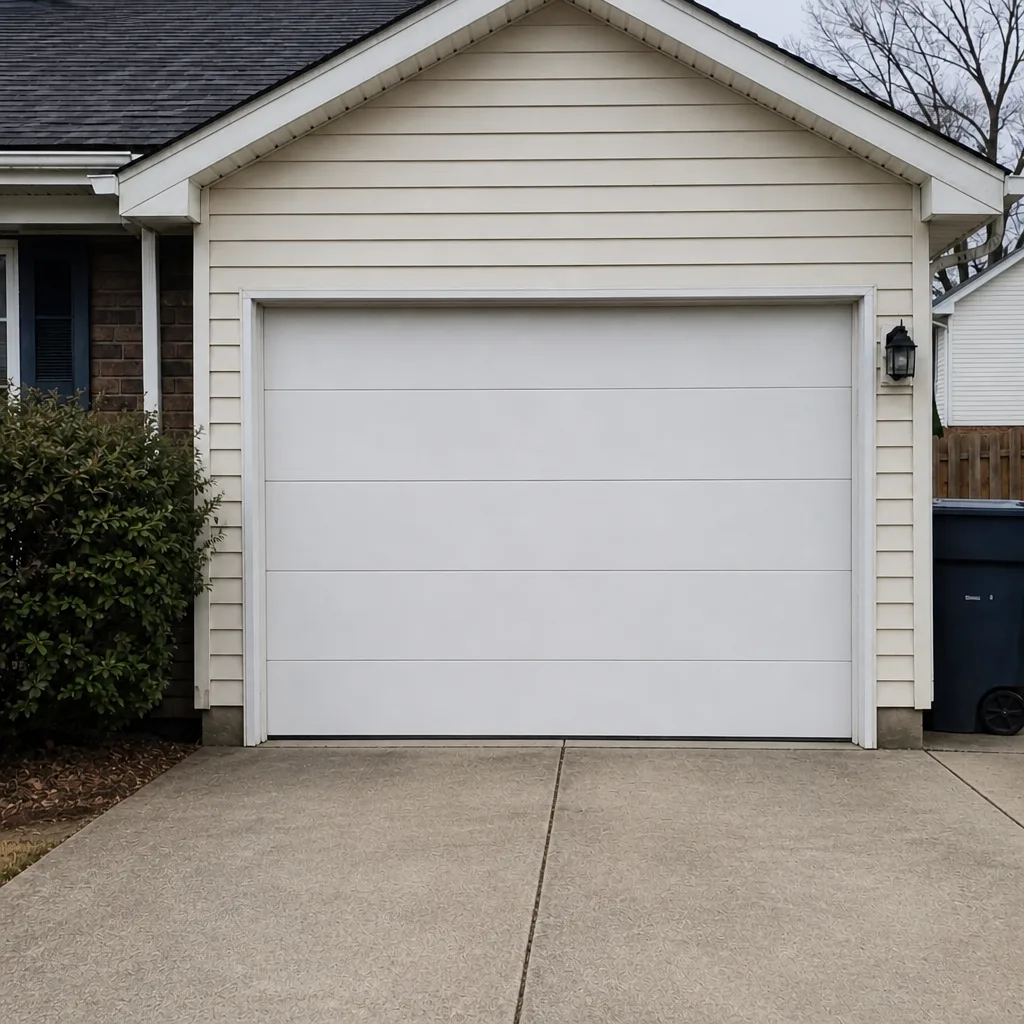 After
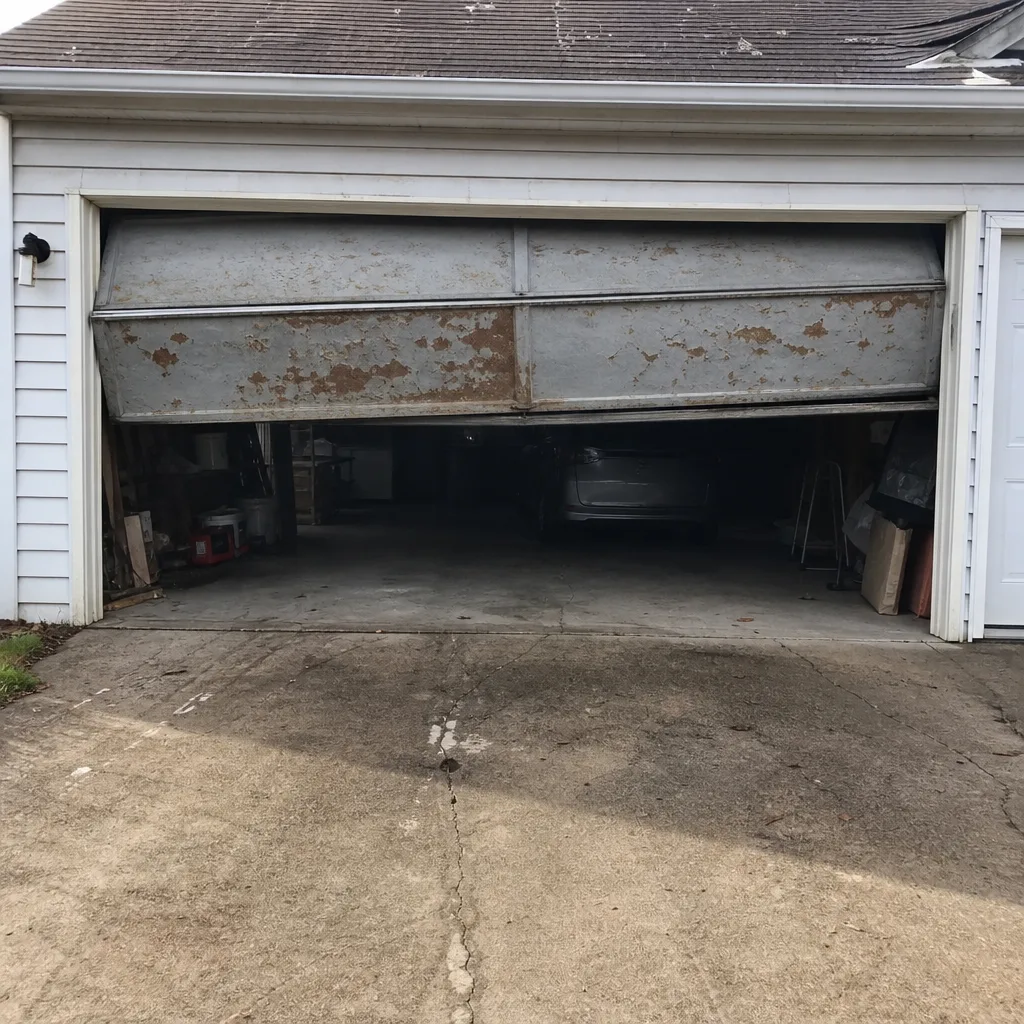 Before
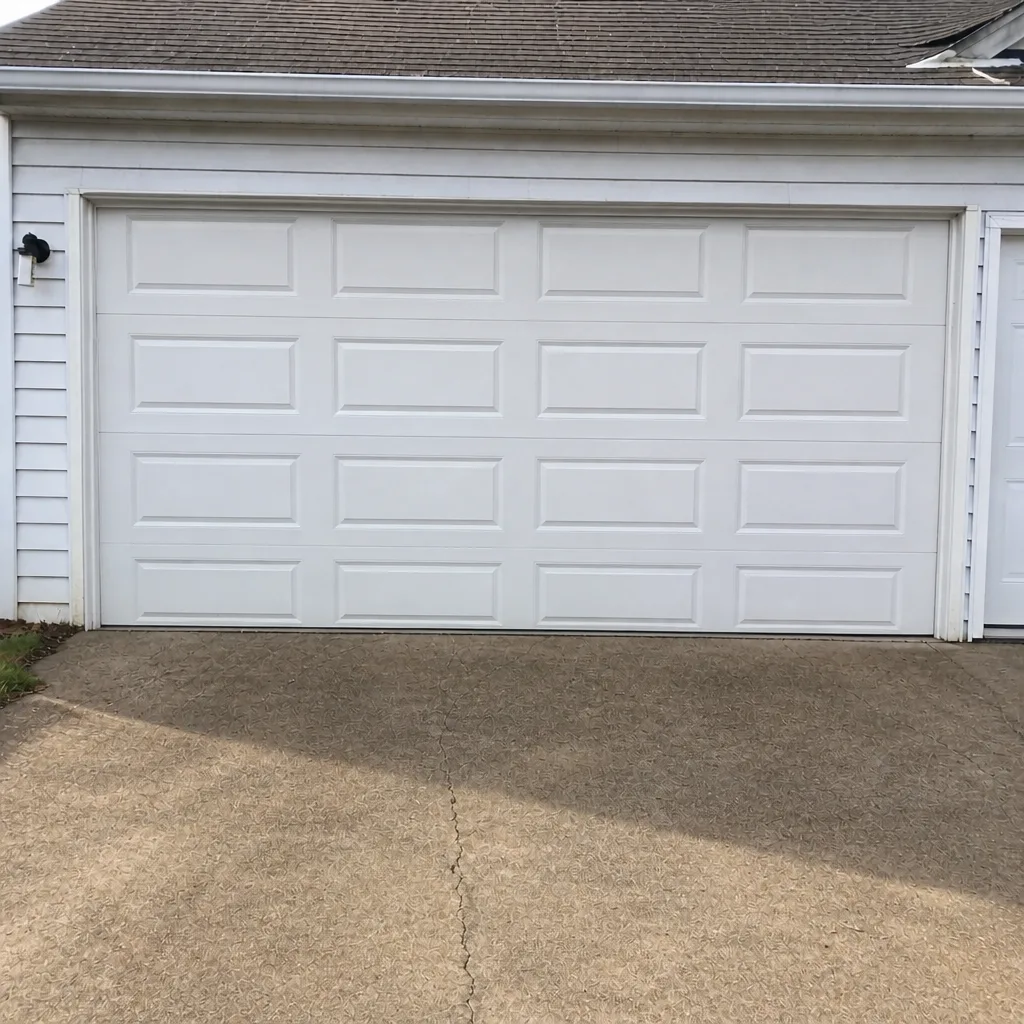 After
When to Call a Professional
Call a professional for anything involving the spring system, the cables, or an opener that’s straining on a cold morning – those are the safety-critical parts of the door, and they’re where an untrained repair can go badly wrong. Call if the door is out of balance when you lift it by hand, if a spring has snapped, if the door binds after a windstorm, or if the opener refuses to lift the door on a cold day. Also call if the bottom seal has torn and the threshold is already swollen – a seal replacement is a small job, but a swelled floor edge is not. Chesapeake Garage Door Repair Pros offers free estimates in Chesapeake – call (866) 834-6826. The written estimate sets the final price, and we quote and agree it before any work starts.
Frequently Asked Questions
Late October and early November are the highest-failure season for garage doors in Chesapeake. The first cold mornings thicken lubricant, contract metal, and reveal wear that built up over the humid summer, so springs and opener motors fail disproportionately in that window. A September inspection catches most of it before it becomes a repair.
No – spring tension adjustment should always be done by a trained technician. Torsion springs store enough energy to cause serious injury if released unexpectedly, and the proper tools and procedure are not something a homeowner should attempt. If your door feels heavy or out of balance, call (866) 834-6826 and we’ll take a look.
Twice a year is a good baseline for Chesapeake – once in spring before humidity season and once in fall before the cold arrives. Use a garage-door-specific lubricant rated for cold weather, and apply it to the rollers, hinges, and opener rail. Skip the spring coils unless the door is fully closed and at rest.
Check the tracks for bends, the hinges for pulled screws, the panels for dents, and the seals for tears – then operate the door by hand (with the opener disconnected) before trusting it. If it binds, grinds, or won’t balance, call a technician. Running the opener against storm damage can cause a secondary failure.
Before a forecast freeze, sweep or blow out any water pooled at the door opening so it doesn’t freeze the seal to the concrete. Check the seal for cracks in fall – a cracked seal tears more easily when it freezes. And if the door is frozen, break the seal free by hand rather than running the opener against it.
No – springs, cables, and opener motors have a service life, and they will eventually need replacement. What maintenance does is catch marginal parts before they fail at a bad time and keep the door’s balance within a safe range. The September inspection is the single highest-value item on the calendar for that reason.
The Bottom Line
Chesapeake’s garage door care calendar isn’t spring, summer, fall, winter – it’s humidity season, the fall transition, and winter ice events, with spring prep and summer checks feeding into them. The single most important date is the September inspection, because it’s the one that catches the marginal springs and worn openers before the first cold morning turns them into repairs. Handle the seals, lubrication, and visual checks yourself. Leave the springs, cables, and opener adjustments to a trained technician. For a free estimate on any of it, call Chesapeake Garage Door Repair Pros at (866) 834-6826 – we quote and agree the price before any work starts, and our technicians have up to 13 years of experience across the major brands.
Written by the team at Chesapeake Garage Door Repair Pros.